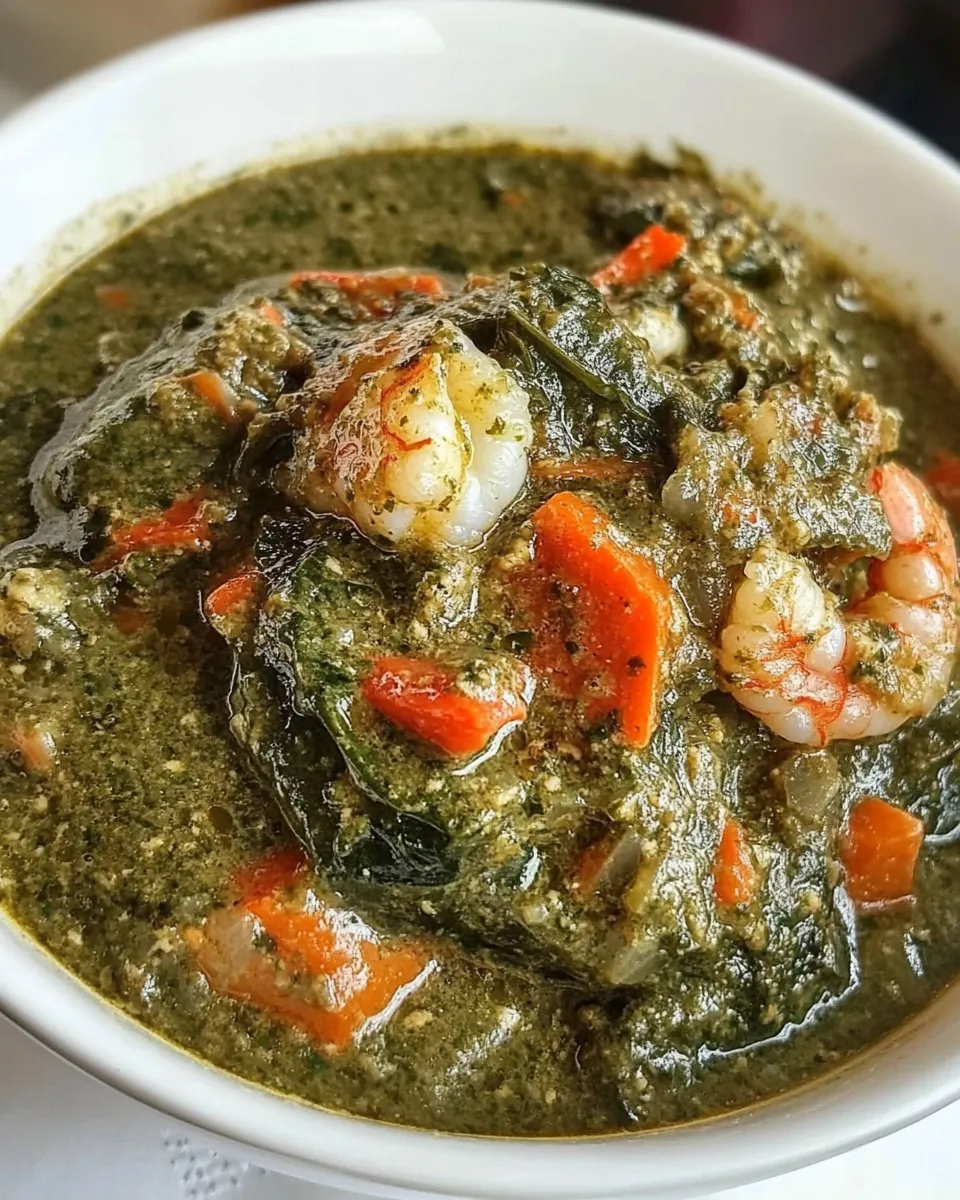
Matapa (Cassava Leaves & Shrimp Stew)
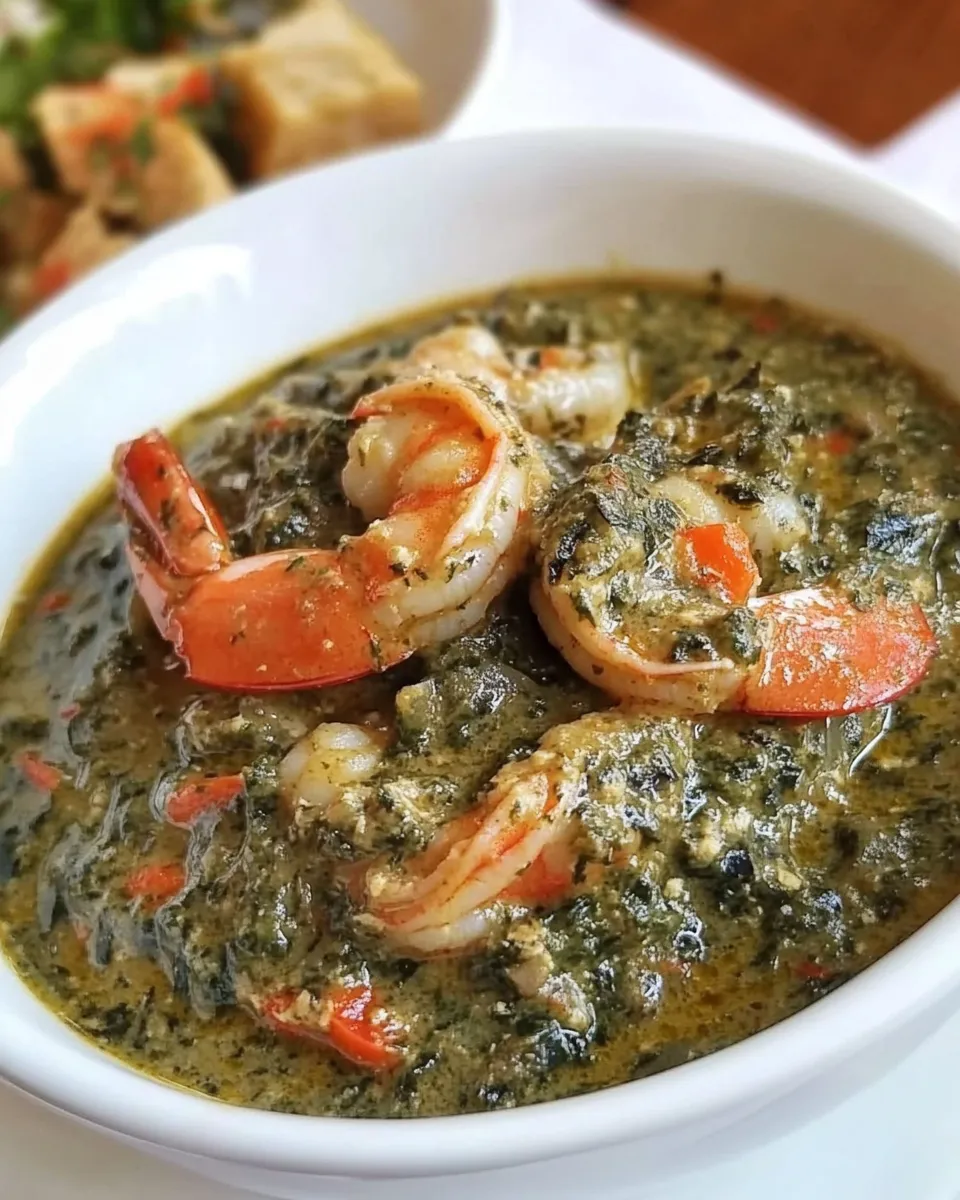
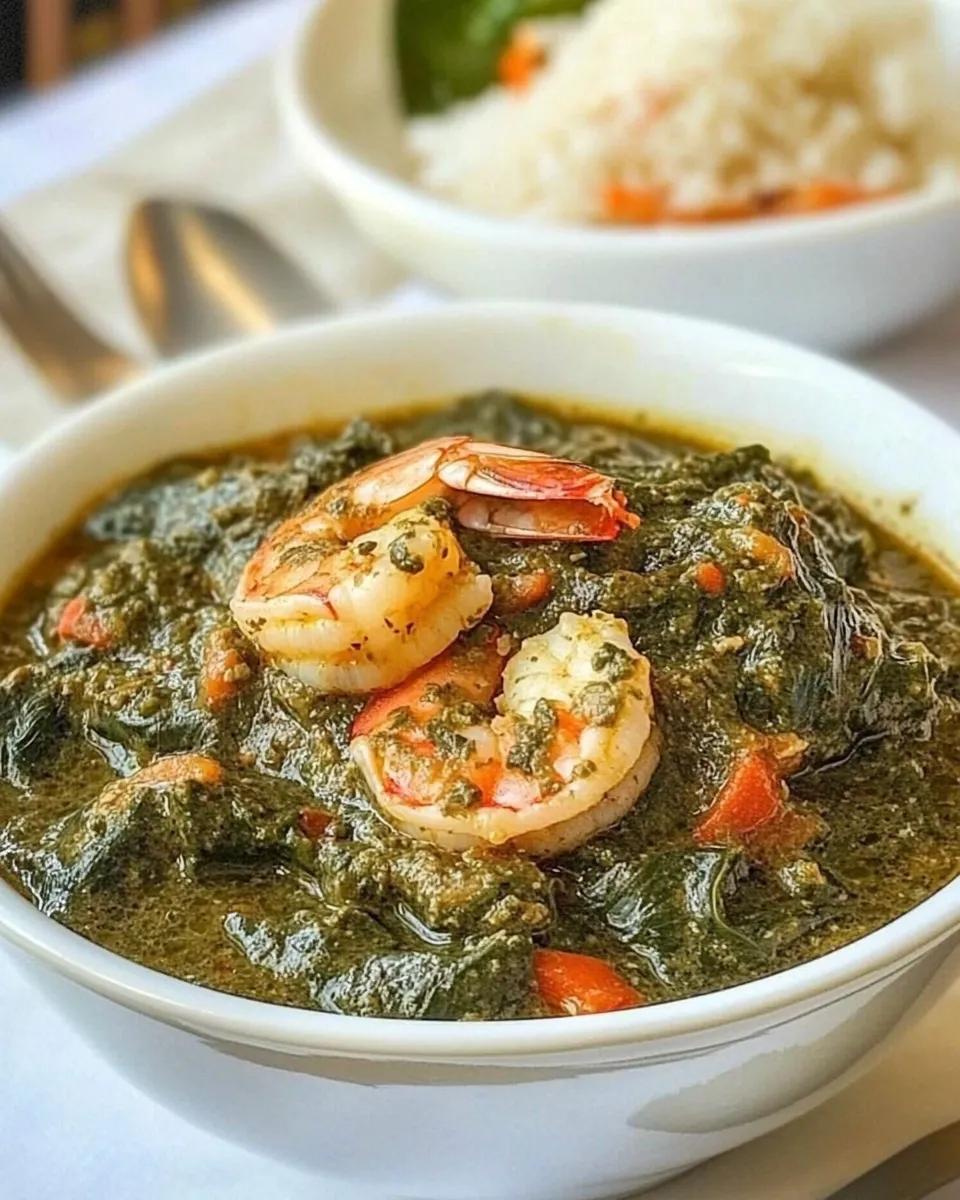
Matapa is a comforting, earthy Mozambican stew built on tender cassava leaves, toasted peanuts and creamy coconut milk. It’s rustic, deeply flavored and surprisingly simple once you have the ingredients prepped. The texture comes from finely chopped cassava leaves and a peanut-thickened sauce that clings to plump shrimp.
I make this when I want a lush, warming meal that feels both homey and a little exotic. It requires patience during the long, gentle simmer so the flavors can soften and marry — but the actual hands-on time is modest. Serve it with plain boiled rice or xima (maize meal) to soak up every drop.
The Essentials
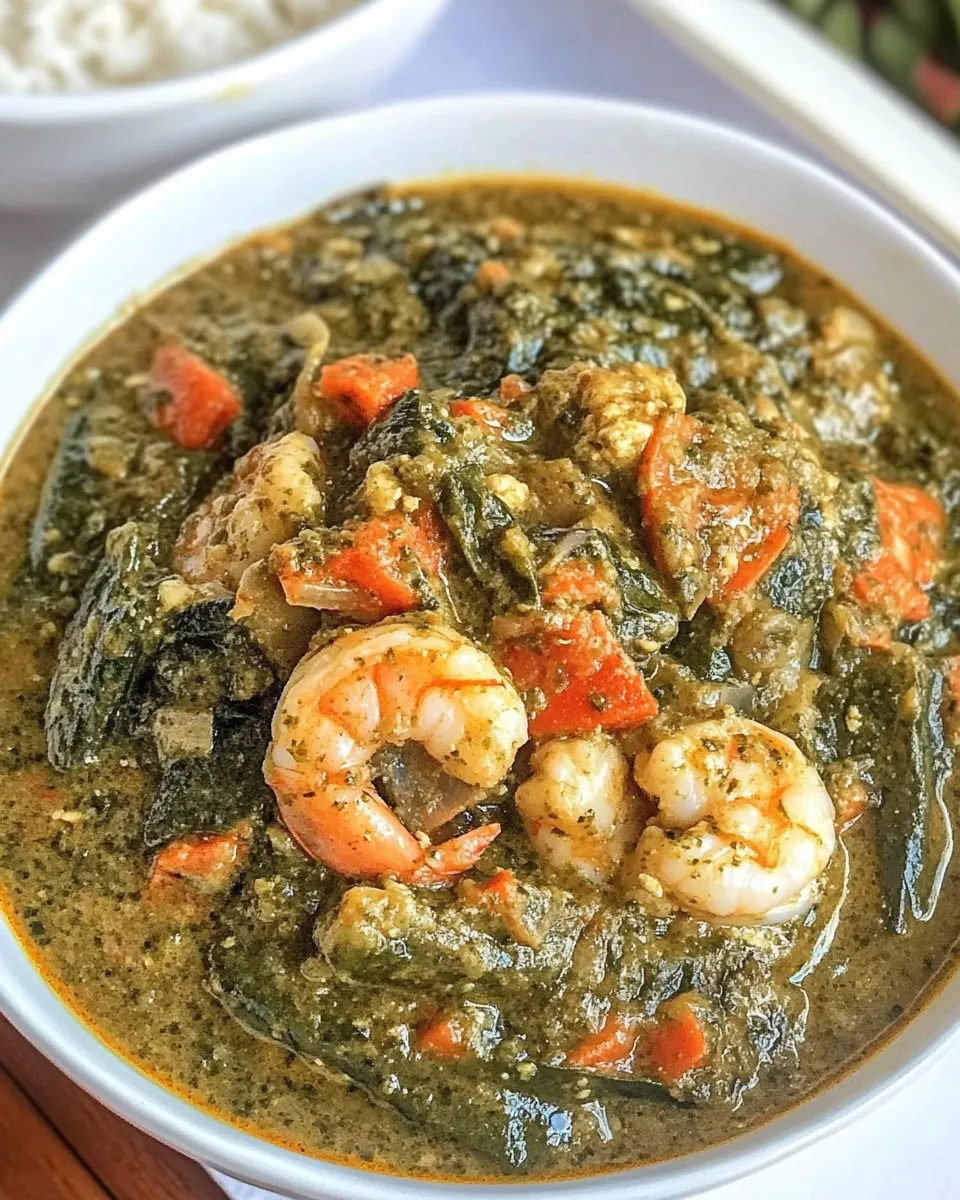
The building blocks are straightforward: fresh pounded cassava leaves, roasted peanuts turned almost into peanut butter, coconut milk for silkiness, shrimp for briny protein, and aromatics like onion and garlic. A touch of crushed red pepper adds warmth. You’ll simmer everything low and slow until the leaves are tender and the sauce is thick.
Cook Matapa (Cassava Leaves & Shrimp Stew) Like This
Ingredients
- ½ kg young cassava leaves — fresh pounded; remove tough stems and veins before chopping finely.
- 4 cloves garlic — minced; adds aromatic depth.
- 150 g onions — finely chopped; the sweat base for the stew.
- 2 tbsp cooking oil — for sautéing the aromatics and shrimp.
- 300 g shrimp — peeled and deveined if possible; adds savory seafood flavor.
- 500 g raw peanuts — dry-roast and grind to thicken the sauce and give nutty sweetness.
- 250 ml coconut milk — lends creaminess and balances the peanuts.
- salt — to taste; use sparingly to start, then adjust at the end.
- 1 tsp red pepper — crushed; heat level — adjust to taste.
Why You’ll Love This Recipe
Matapa delivers complex flavor from humble ingredients: nutty roasted peanuts, creamy coconut milk, fresh green cassava leaves and bright shrimp. It’s comforting without being heavy, and it’s naturally gluten-free. The long simmer enriches the texture and blends the flavors, so the effort yields a dish that tastes like it took longer to make than it did.
Ingredient Flex Options
- Swap shrimp for firm white fish or small cubes of chicken if you prefer; cooking time will vary slightly.
- If fresh cassava leaves aren’t available, frozen chopped cassava leaves can work — still remove any thick stems when thawed and chop finer.
- Use unsalted roasted peanuts if you want finer control of seasoning.
- Adjust crushed red pepper to taste or substitute with fresh chopped chili for a sharper heat.
Prep & Cook Tools
- Large heavy-bottomed pot or Dutch oven — for even, low simmering.
- Dry frying pan — to roast the peanuts.
- Food processor or mortar and pestle — to grind roasted peanuts into a paste.
- Sharp knife and cutting board — for trimming and finely chopping cassava leaves and onions.
- Wooden spoon — to stir often while simmering.
Steer Clear of These
- Don’t skip removing the thick stems and veins from cassava leaves — they stay tough and fibrous if left in.
- Avoid high heat when simmering; too rapid boiling will break down the coconut milk and make the sauce separate.
- Don’t add all the salt at the start — the peanuts and shrimp concentrate flavors as they cook; season near the end.
Better-for-You Options
- Use light coconut milk to reduce calories, though the sauce will be slightly less rich.
- Limit oil to 1 tbsp if you want to shave fat; the peanuts already contribute body.
- Boost vegetables by stirring in some chopped spinach or kale toward the end if you want more greens alongside the cassava leaves.
Method to the Madness
- Prepare the cassava leaves: Wash the ½ kg young cassava leaves thoroughly. Trim off all tough stems and veins, then finely chop the leaves by hand or pulse them in a food processor until they’re uniformly fine. Set aside.
- Roast and grind the peanuts: Heat an empty dry frying pan over medium heat. Add the 500 g raw peanuts and roast, stirring often, until they turn golden-brown and smell toasty. Transfer to a plate and let cool completely. Once cooled, grind the peanuts in a food processor or use a mortar and pestle until they reach a smooth, almost peanut-butter consistency.
- Sauté aromatics and cook shrimp: Heat 2 tbsp cooking oil in a large pot over medium heat. Add the 150 g finely chopped onions and sauté until they soften and become translucent, 4–6 minutes. Add the 300 g shrimp and cook gently for 2–3 minutes, just until they start to turn opaque.
- Add coconut milk, garlic and pepper: Pour in the 250 ml coconut milk, then add the 4 cloves garlic (minced) and 1 tsp crushed red pepper. Stir to combine and let the mixture simmer for 2–3 minutes so the aromatics infuse the coconut milk.
- Incorporate the peanut paste: Add the ground peanuts to the pot and stir thoroughly until the peanut paste dissolves into the coconut-shrimp base and the sauce begins to thicken.
- Fold in cassava leaves: Add the finely chopped cassava leaves to the pot and mix until everything is well combined. Scrape the bottom of the pot to incorporate any toasted bits.
- Simmer low and slow: Reduce the heat to maintain a gentle simmer. Cook uncovered for about 1 to 1½ hours, stirring often to prevent sticking. The sauce should reduce and thicken while the cassava leaves become tender and fully cooked through.
- Final seasoning and finish: Taste and season with salt to your preference. If the sauce is thicker than you’d like, a splash of water or a bit more coconut milk can loosen it. When the cassava is soft and flavors have melded, remove from heat.
- Serve: Serve the matapa hot with boiled rice or xima (maize meal) to soak up the rich sauce.
Meal Prep & Storage Notes
Matapa keeps well in the refrigerator for 3–4 days in an airtight container. Reheat gently over low heat, adding a splash of water or coconut milk if it has thickened too much. This dish also freezes well for up to 2 months; thaw overnight in the fridge and reheat slowly. Note: frozen and reheated cassava leaves may be a touch softer in texture.
Top Questions & Answers
- Can I use canned coconut milk? — Yes. Canned coconut milk works well; shake or stir it before measuring to incorporate the cream and liquid evenly.
- How do I know the cassava leaves are cooked? — They should be tender and no longer fibrous when you taste a small portion. The long simmer (1–1½ hours) ensures they soften properly.
- Can I make this vegetarian? — Replace shrimp with firm tofu or extra peanuts for protein, but omit seafood if you want a vegetarian version.
- Is it necessary to roast the peanuts? — Yes. Roasting deepens the peanut flavor and makes it easier to grind into a smooth paste that thickens the stew.
The Takeaway
Matapa is a soulful stew that makes the most of simple components: cassava leaves, peanuts, coconut milk and shrimp. It rewards patient simmering with a rich, nutty, and green-forward flavor profile that pairs beautifully with plain rice or xima. Once you’ve prepped the leaves and peanuts, the cooking steps are straightforward — and the result is a dish that tastes like a hug in a bowl.
Matapa (Cassava Leaves & Shrimp Stew)
Ingredients
- 0.5 kg young cassava leaves washed, tough stems and veins removed and finely chopped
- 4 cloves garlic minced
- 150 g onion finely chopped
- 2 tbsp cooking oil
- 300 g shrimp
- 500 g raw peanuts to roast and grind
- 250 ml coconut milk
- salt to taste
- 1 tsp crushed red pepper (or to taste)
Instructions
- Wash the cassava leaves, remove tough stems and veins, then finely chop them or pulse briefly in a food processor; set aside.
- In a dry pan over medium heat, roast the peanuts until golden brown and aromatic; cool completely, then grind in a food processor or mortar and pestle until they reach a paste-like but slightly coarse texture.
- Heat the cooking oil in a large skillet or saucepan over medium heat and sauté the chopped onion until softened, about 3–5 minutes.
- Add the shrimp to the pan and cook gently for 2–3 minutes until they begin to turn opaque.
- Pour in the coconut milk, add the minced garlic and crushed red pepper, then bring the mixture to a gentle simmer for a couple of minutes.
- Stir the ground peanuts into the simmering mixture until they dissolve and thicken the sauce evenly.
- Add the chopped cassava leaves and mix thoroughly so they are well coated with the sauce.
- Reduce heat to low and simmer, uncovered, for about 60–90 minutes, stirring often, until the cassava leaves are fully cooked, the sauce has thickened, and flavors have blended; season with salt to taste.
- Serve the matapa hot with boiled rice or xima (maize meal).
Equipment
- large skillet or saucepan
- food processor or mortar and pestle
- cutting board and knife
- Measuring spoons
- spatula or wooden spoon
Notes
- Use young cassava leaves for best tenderness.
- Grind peanuts to a slightly coarse paste for texture.
- Stir frequently to prevent sticking during long simmering.
- Adjust crushed red pepper to your spice preference.
- Check seasoning and add salt at the end.