
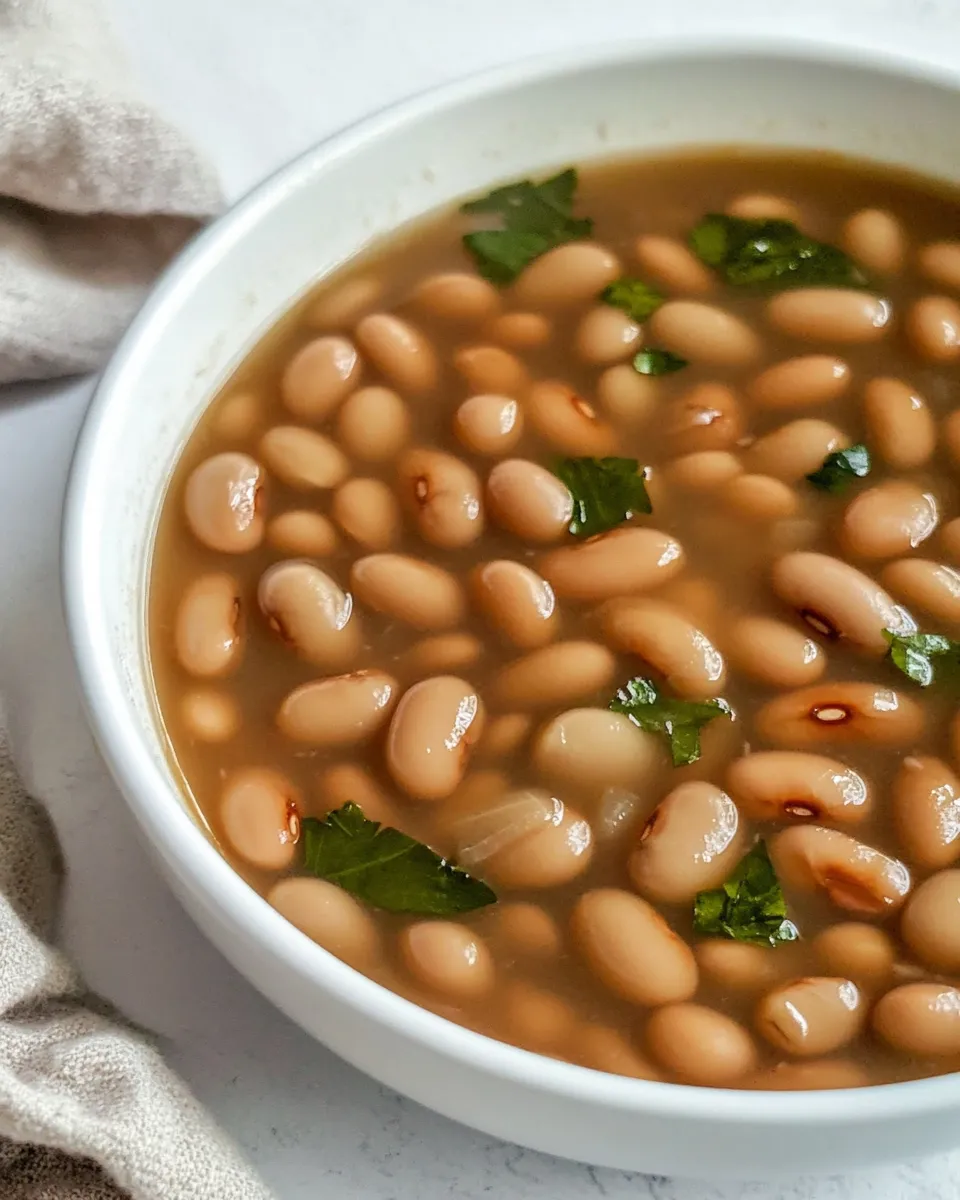
Pinto Beans Recipe
There’s something deeply satisfying about a pot of pinto beans simmering gently on the stove. This recipe strips the process down to essentials: pantry beans, basic aromatics, and time. It’s the sort of recipe you’ll turn to when you want reliable comfort food that’s inexpensive, flexible, and full of homey flavor.
I like to make a large batch and use it in different ways throughout the week—tucked into tacos, folded into a grain bowl, or served alongside cornbread. The method below is straightforward, practical, and written so a busy cook can follow every step without fuss.
If you’ve got dried pinto beans, an onion, garlic, and a jalapeño on hand, you’re already halfway there. Read on for clear, step-by-step instructions, notes on swaps, storage tips, and troubleshooting so your beans come out tender and well seasoned every time.
Ingredients at a Glance
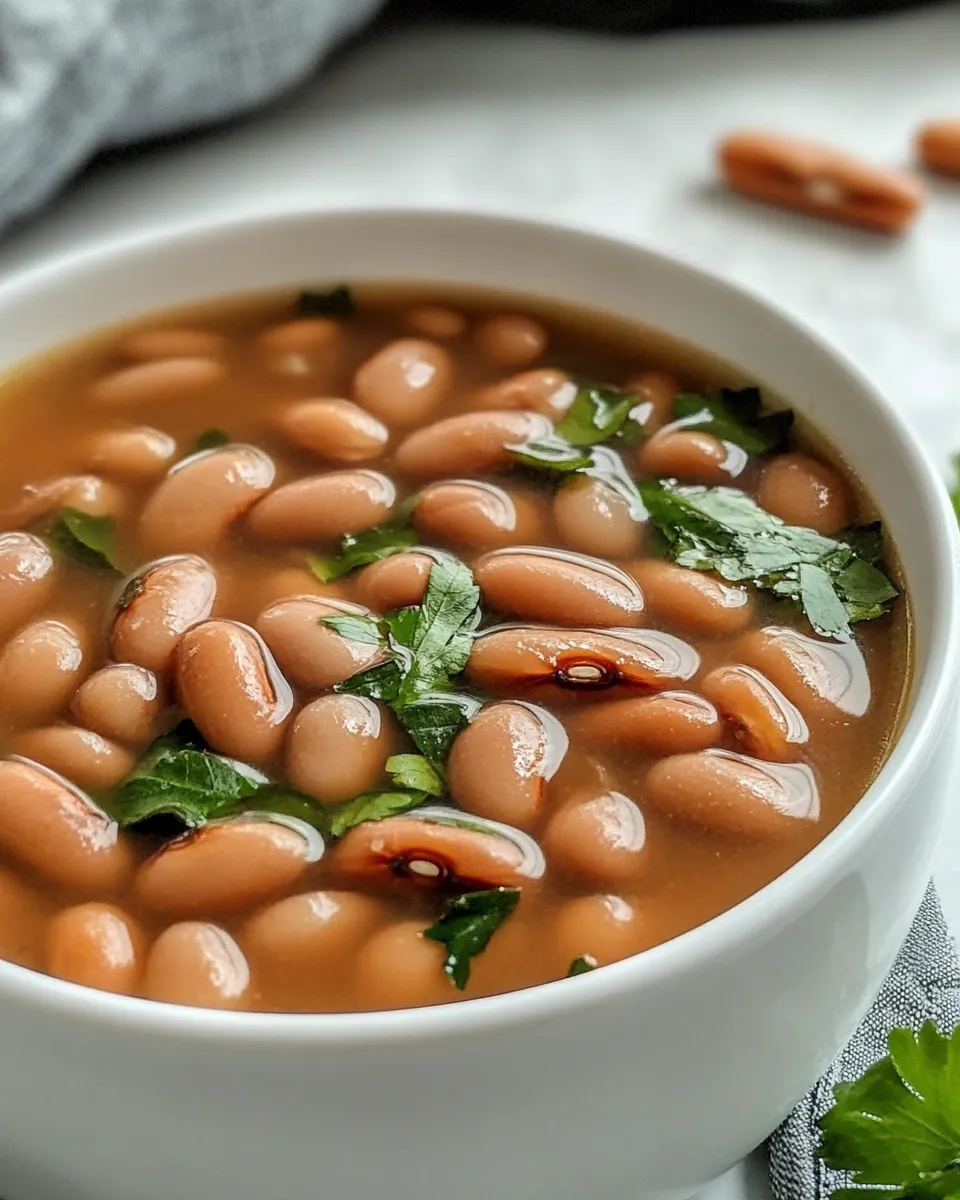
- 1cupdried beans — the star of the dish; rinsed and soaked to shorten cooking time and improve texture.
- 1white onionquartered — adds savory depth; quartering lets it flavor the pot without needing to chop finely.
- 1cloveof garlic — aromatic backbone; crush or slice to release more flavor while cooking.
- 1jalapeño pepper — brings mild heat and a bright peppery note; leave seeds for more spice or remove them for milder beans.
- Pinchof salt — essential for seasoning; add toward the end of the initial high-heat phase so beans season evenly.
- Pinchof pepper — simple finishing seasoning; adjust to taste after cooking.
Pinto Beans Recipe, Made Easy
Follow these steps exactly in the order given. Quantities and ingredients match the list above.
- Rinse and sort the beans: Place 1cupdried beans in a large bowl. Pick through them to remove any small stones or damaged beans. Rinse under cold running water until the water runs clear.
- Soak the beans: Fill the bowl with enough cold water to fully submerge the beans by a few inches. Let the beans soak overnight or for at least 8 hours. This softens them and reduces total stovetop time.
- Drain: After soaking, drain the beans in a colander and give them a quick rinse.
- Prepare the pot: Transfer the drained beans to a large pot or into a slow cooker if you prefer to cook low and slow.
- Add aromatics and water: Cover the beans with fresh water (enough to sit about 1–2 inches above the beans). Add the 1white onionquartered, 1cloveof garlic (crushed or sliced), and 1jalapeño pepper (whole or halved). Add a pinchof salt and a pinchof pepper.
- Bring to a boil: Place the pot on the stove and bring the water to a rolling boil over high heat. Let the beans cook at high temperature for 30 minutes. This initial high heat helps start the cooking process and extracts flavor from the aromatics.
- Reduce heat and simmer: After 30 minutes, reduce the heat to medium and continue cooking for about 15 minutes, or until the beans are tender when pierced with a fork. Timing can vary slightly depending on your beans and altitude—test for doneness rather than relying strictly on the clock.
- Adjust seasoning and finish: Taste a bean and add more salt or pepper if needed. If you want less spice, remove the jalapeño before serving; for more heat, chop and stir some of it back in.
- Store: Once cooled slightly, transfer beans to an airtight container. Store in the refrigerator for up to 4–5 days or freeze in portions for longer storage.
Why You’ll Keep Making It
This Pinto Beans recipe is forgiving, budget-friendly, and adaptable. The ingredient list is short, and the process is straightforward, yet the results are versatile—creamy beans with a subtle onion-garlic backbone and a hint of jalapeño heat.
They’re a blank canvas: mash them for refried beans, toss them with rice and salsa for a quick meal, or serve alongside roasted vegetables. Plus, dried beans store for months, so once you’ve tested this method you’ll find yourself reaching for it again and again.
Vegan & Vegetarian Swaps
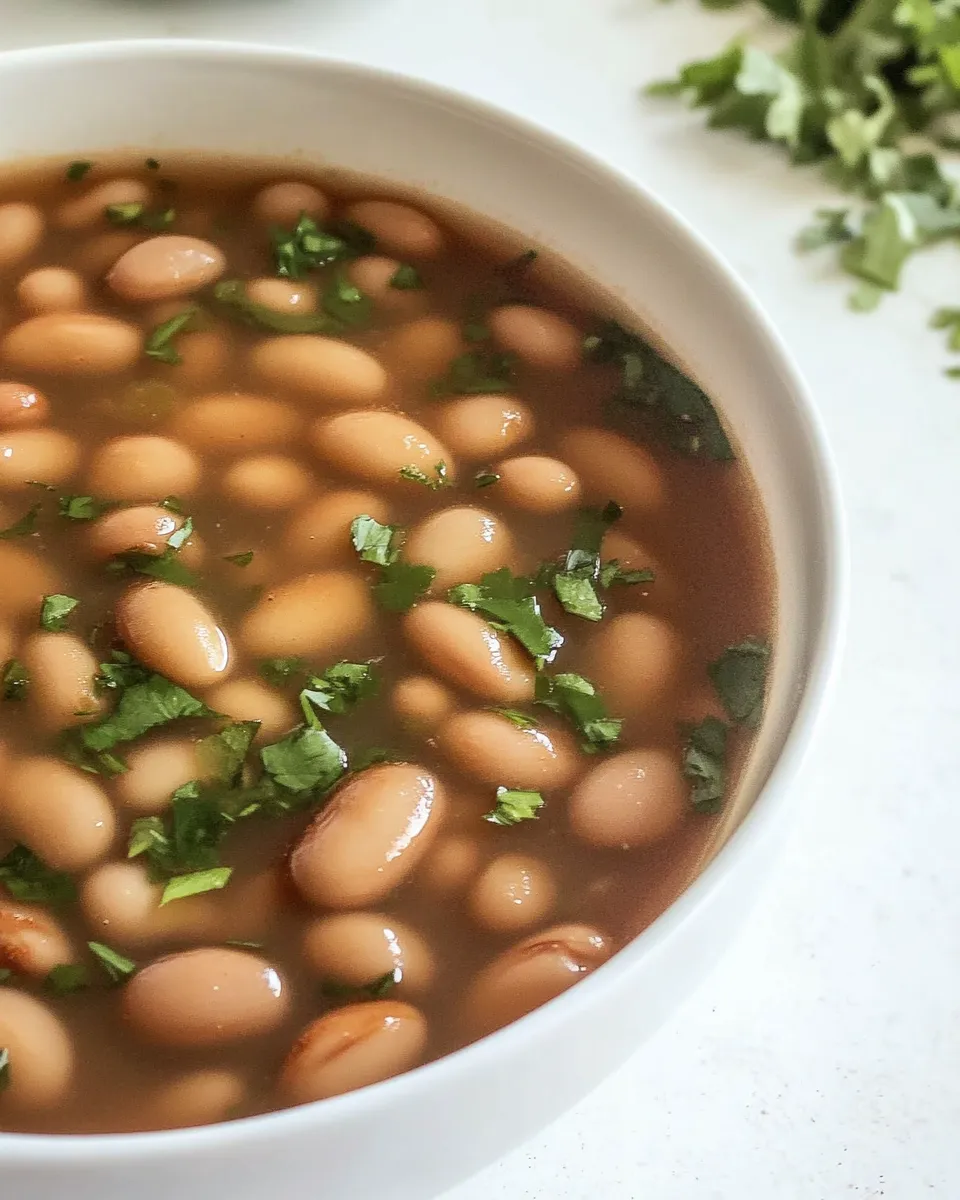
The recipe as written is already vegan and vegetarian-friendly. If you want to boost flavor without animal products, try any of these options:
- Smoked paprika or a small piece of kombu added during simmering for umami.
- A splash of soy sauce or tamari after cooking instead of additional salt for deeper savoriness.
- Finish with a squeeze of lime and a sprinkle of chopped cilantro to brighten the dish.
Recommended Tools
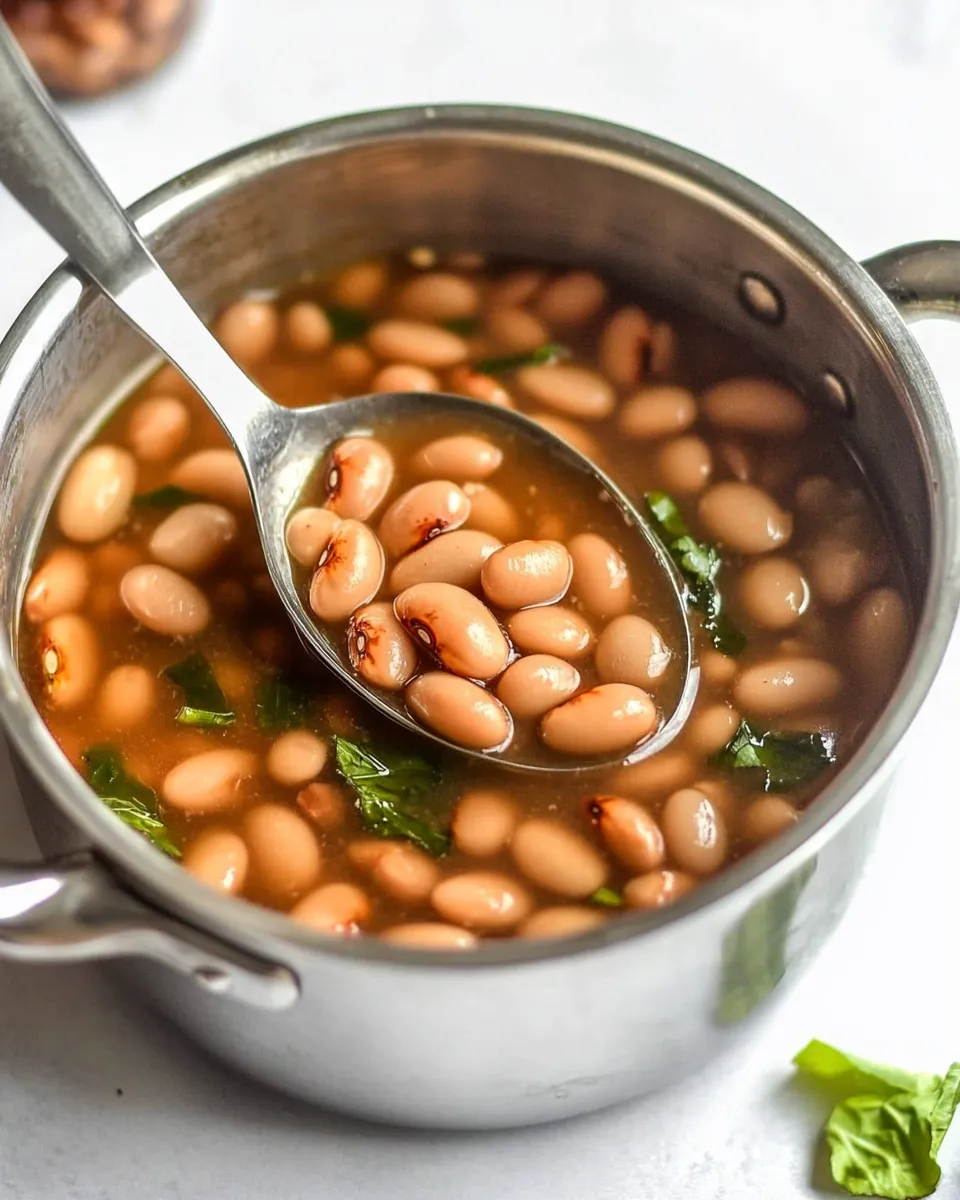
- Large bowl — for soaking the beans.
- Large pot with a lid or a slow cooker — a pot works fine for the stovetop method; a slow cooker gives you hands-off convenience.
- Colander — for draining the soaked beans cleanly.
- Spoon or ladle — for stirring and tasting.
Steer Clear of These
- Skipping the soak entirely unless you’re using a pressure cooker—soaking improves texture and reduces cooking time.
- Boiling aggressively for the entire cook; after the initial high-heat phase, lower the temperature to avoid splitting skins and evaporating too much liquid.
- Adding too much salt at the start—seasoning is better adjusted after the beans begin to soften so you don’t end up over-seasoned.
How to Make It Lighter
These beans are already a light, plant-forward dish, but you can reduce perceived heaviness by serving smaller portions over plenty of vegetables or greens. Drain a portion of the cooking liquid if you prefer a drier, less stew-like consistency.
Another option is to skim off any foam or excess starch during the initial boil to keep the broth clearer and lighter in texture.
Cook’s Commentary
Two small details make a big difference: soaking and timing. Soaking cuts both the cooking time and the chance of beans staying chalky inside. The recipe’s 30 minutes on high then 15 minutes on medium is a compact approach that works when beans are soaked first. If your beans are older or larger, they may need a few extra minutes on medium—don’t rush them.
I like keeping the onion quartered and the jalapeño whole because it flavors the cooking liquid without making the beans overly chunky. You can remove the aromatics before serving if you prefer a smoother presentation. Also, always taste and adjust the final seasoning—small tweaks of salt or pepper can elevate the whole pot.
Refrigerate, Freeze, Reheat
- Refrigerate: Cool the beans to room temperature, then store in an airtight container for up to 4–5 days.
- Freeze: Portion beans into freezer-safe containers or heavy-duty freezer bags. Freeze for up to 3 months. Leave a little headroom in containers for expansion.
- Reheat: Reheat gently on the stove over low-medium heat, adding a splash of water if the beans have thickened. If frozen, thaw in the refrigerator overnight or reheat from frozen on low with a lid until warmed through.
Top Questions & Answers
- Do I have to soak the beans? Soaking is recommended for this recipe. It shortens stovetop cooking time and helps achieve an even, tender texture. If you’re using a pressure cooker, you can skip the overnight soak, but adjust cooking times accordingly.
- How do I know when the beans are done? A bean is done when it’s tender throughout and gives easily when pressed between your fingers or with a fork. Start testing after the medium-heat interval and adjust time as needed.
- Can I add spices or other seasonings? Yes—after the beans are tender, you can stir in spices, chopped herbs, or acidic ingredients like lime juice or vinegar to brighten the flavor.
- Why did my beans stay firm? Causes include insufficient soaking, old beans, or not enough cooking time. Return them to the pot, add fresh water if needed, and continue cooking until tender.
Wrap-Up
This Pinto Beans recipe is purposeful and simple: soak, simmer with aromatics, reduce heat, and finish with seasoning. It’s an adaptable base for countless meals and one of those recipes that improves with familiarity. Make a batch, taste as you go, and use the leftovers creatively—these beans are meant to be enjoyed all week long.
Happy cooking. If you try this method, let the beans tell you when they’re ready—texture over timers—and you’ll get consistent, satisfying results.

Pinto Beans Recipe
Ingredients
- 1 cup dried pinto beans
- 1 white onion quartered
- 1 garlic clove
- 1 jalapeño pepper
- pinch salt
- pinch black pepper
Instructions
- Rinse the dried pinto beans under cold water, then place them in a large bowl and cover with several inches of water.
- Soak the beans overnight or for at least 8 hours, then drain in a colander.
- Place the drained beans into a large pot or slow cooker and add fresh water to cover them by about 2 inches.
- Add the quartered white onion, whole jalapeño, and the garlic clove to the pot; season with a pinch of salt and a pinch of black pepper.
- Bring the pot to a rapid boil over high heat for about 30 minutes, then reduce the heat to medium and simmer for about 15 more minutes, or until the beans are tender.
- When the beans are cooked, remove from heat and discard the jalapeño and whole garlic if desired, then serve or cool before storing.
Equipment
- Large Bowl
- large pot or slow cooker
- Colander
- Knife
- Cutting Board
Notes
- Soaking reduces cooking time and improves digestibility.
- Use more salt to taste after cooking if needed.
- Remove the jalapeño seeds for less heat.