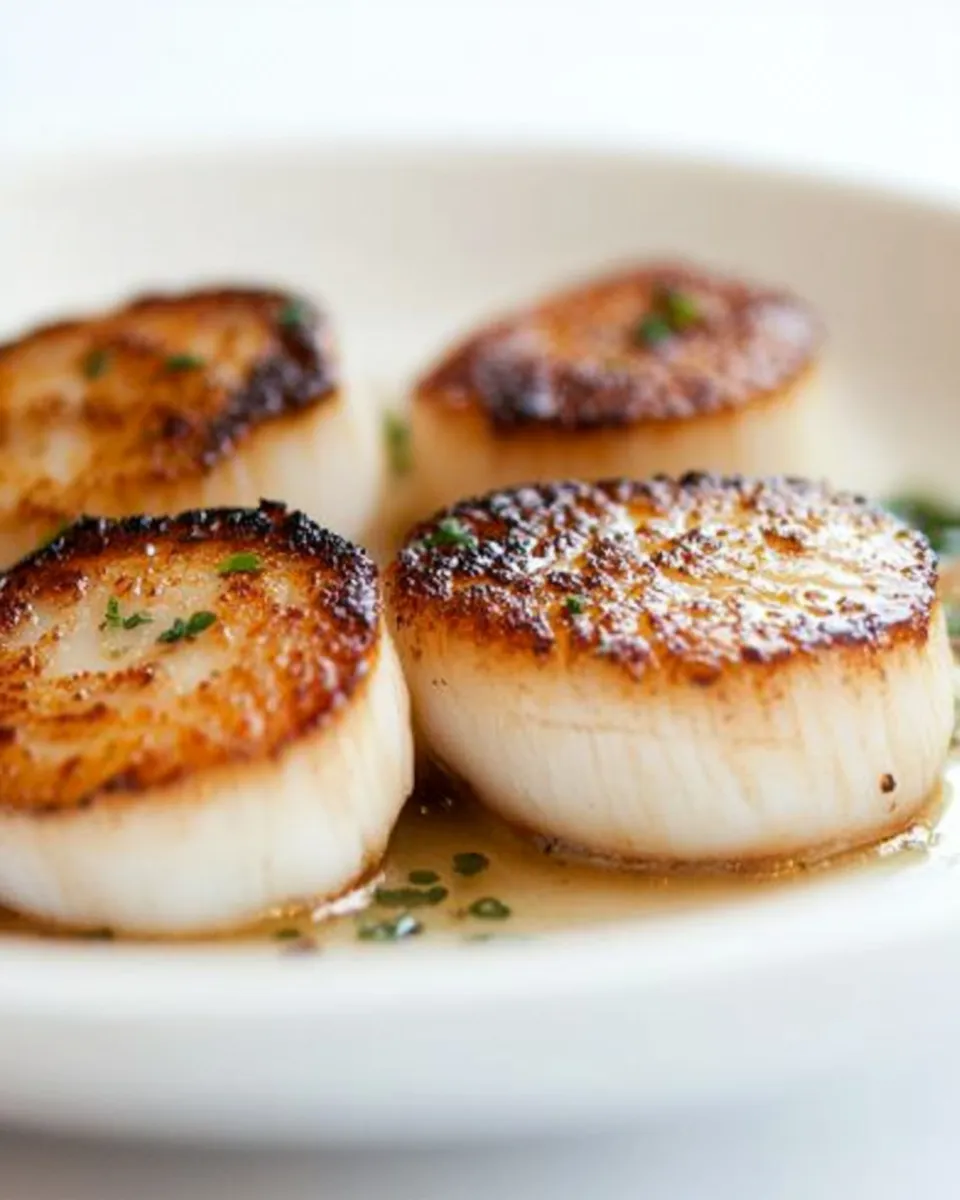
Simple Pan Seared Scallops
I love quick dinners that feel like a treat. Pan seared scallops are one of those go-to recipes: minimal ingredients, fast cooking, and a really impressive result when done right. This version is deliberately straightforward—clean seasoning, hot pan, good oil, and a squeeze of lemon at the end.
There’s no need for heavy sauces or complicated prep. With one pound of scallops and a couple of pantry staples, you’ll get a golden crust outside and tender, slightly translucent centers inside. I’ll walk you through the exact steps, explain why each choice matters, and offer troubleshooting tips so you won’t overcook them.
The Ingredient Lineup
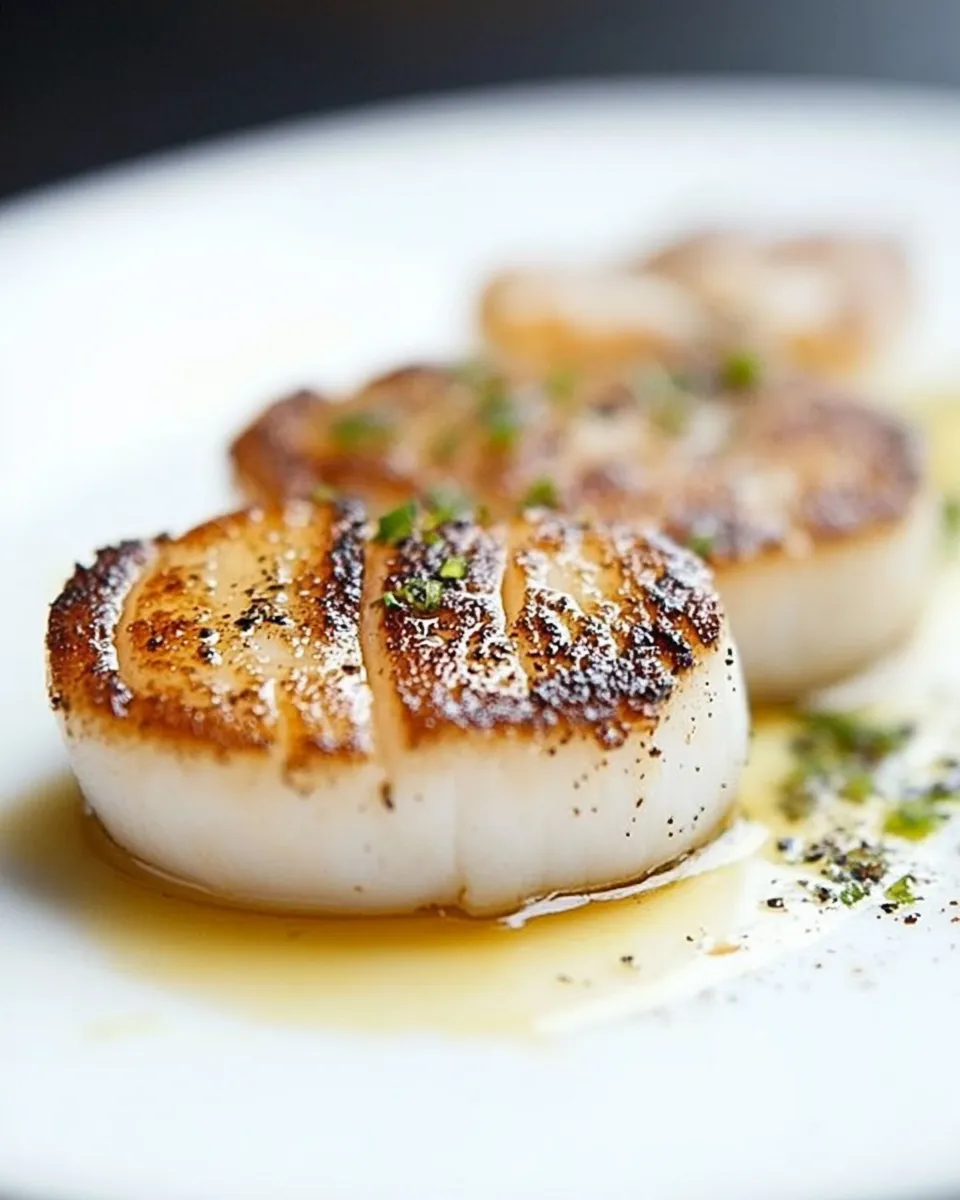
- 1 pound scallops — wild caught preferred; side-muscle removed, rinsed, and patted dry. Dry scallops sear much better than damp ones.
- 1/4 teaspoon kosher or sea salt — seasons the scallops simply; helps draw out a touch of moisture for better browning.
- 1/4 teaspoon black pepper — freshly ground is ideal for aroma and bite.
- 1 tablespoons plus 1 teaspoon coconut oil — high smoke point and neutral flavor; split amount lets you control initial sear and finishing.
- 1 lemon — cut into wedges for bright finishing acid to cut richness.
Pan Seared Scallops: Step-by-Step Guide
- Pat the scallops very dry with paper towels. If any side muscle remains, remove it so scallops sear evenly.
- Season both sides of the scallops with 1/4 teaspoon kosher or sea salt and 1/4 teaspoon freshly ground black pepper. Set them aside briefly while the pan heats.
- Heat a large skillet over high heat. Add 1 tablespoon of the coconut oil and let it melt and heat until it shimmers but does not smoke. If the oil smokes, remove the pan from heat for a few seconds to cool slightly, then return it to the burner.
- Arrange the scallops in the hot skillet so they are not touching—work in batches if needed. Give them space; crowding prevents a proper crust.
- Let the scallops sear undisturbed for about 2 minutes. You should see a golden-brown crust form on the bottom before turning.
- Flip each scallop and sear the other side for about 2 minutes. The outside should be golden brown and slightly firm; centers can remain faintly translucent but not raw.
- If you have remaining tablespoon plus 1 teaspoon coconut oil, you can add a small bit to the pan toward the end to gloss the scallops and help finish the sear. This is optional and depends on pan temperature and how much oil absorbed into the scallops.
- Remove scallops from the pan immediately to stop cooking. Serve with lemon wedges and either steamed vegetables or over a simple whole wheat pasta as desired.
- Squeeze fresh lemon over the scallops just before eating. Enjoy.
Why It Works Every Time
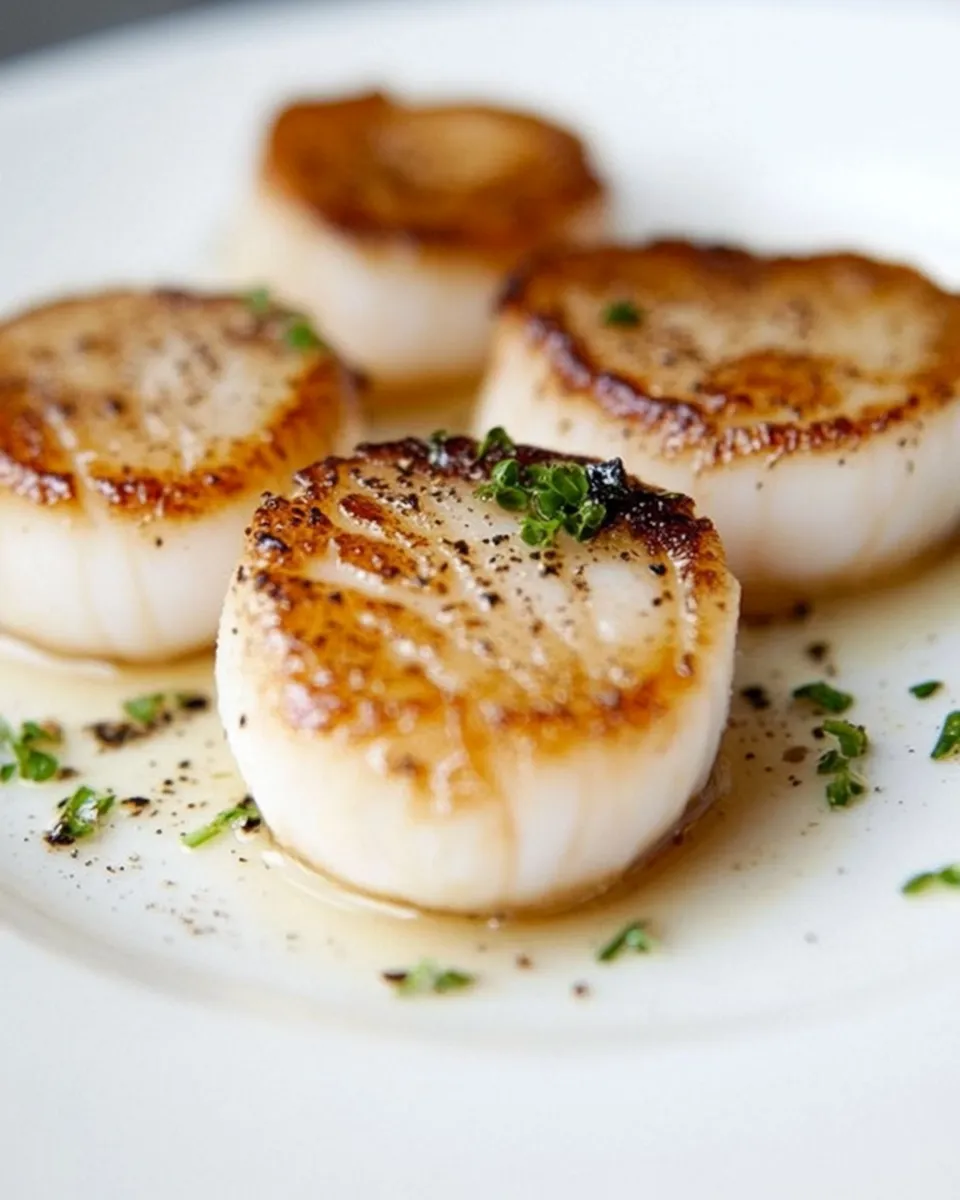
High heat + dry surface = a good crust. Patting scallops dry and giving them space in the pan creates direct contact and Maillard browning rather than steaming. Using a high-smoke-point oil like coconut oil lets you get the pan hot enough without burning the fat. A quick, controlled cook—about 2 minutes per side—keeps the centers tender while delivering a satisfying golden exterior.
The simple seasoning lets the sweet, briny flavor of the scallops shine, and the lemon brightens the palate without masking that natural taste. Timing and pan temperature are the critical variables; handle them well and you’ll have consistent results.
Substitutions by Category
- Oil: If you don’t want coconut oil, use grapeseed, avocado, or light olive oil—anything with a high smoke point.
- Seasoning: Swap kosher salt for fine sea salt (use slightly less), or add a pinch of smoked paprika for a subtle smoky note.
- Finish: Replace lemon wedges with a drizzle of browned butter or a splash of sherry vinegar for a different finish.
- Serving base: Serve on whole wheat pasta, steamed greens, or a bed of quinoa if you prefer a grain option.
Prep & Cook Tools
- Large heavy skillet (stainless steel or cast iron preferred) — holds heat and gives the best sear.
- Paper towels — for thoroughly drying scallops.
- Tongs or a small spatula — to turn scallops without tearing.
- Measuring spoons — to measure salt, pepper, and oil precisely.
- Lemon juicer or simply a knife — for the finishing squeeze.
Things That Go Wrong
- Steamed, pale scallops: Caused by wet scallops or overcrowding the pan. Dry them well and cook in batches.
- Burned oil or bitter crust: Pan too hot or wrong oil. If oil smokes, pull the pan off heat briefly and lower the flame.
- Rock-hard scallops: Overcooking is the usual culprit. Aim for about 2 minutes per side and remove promptly.
- Sticking: Pan not hot enough or scallops moving too soon. Let the crust form before attempting to flip.
Smart Substitutions
- Lower smoke point oils: If you only have extra-virgin olive oil, lower the heat slightly and keep an eye on the pan to avoid smoke.
- Butter finish: If you prefer butter flavor, add 1 teaspoon butter at the end of cooking off the heat for a quick melt—watch closely to prevent browning it too much.
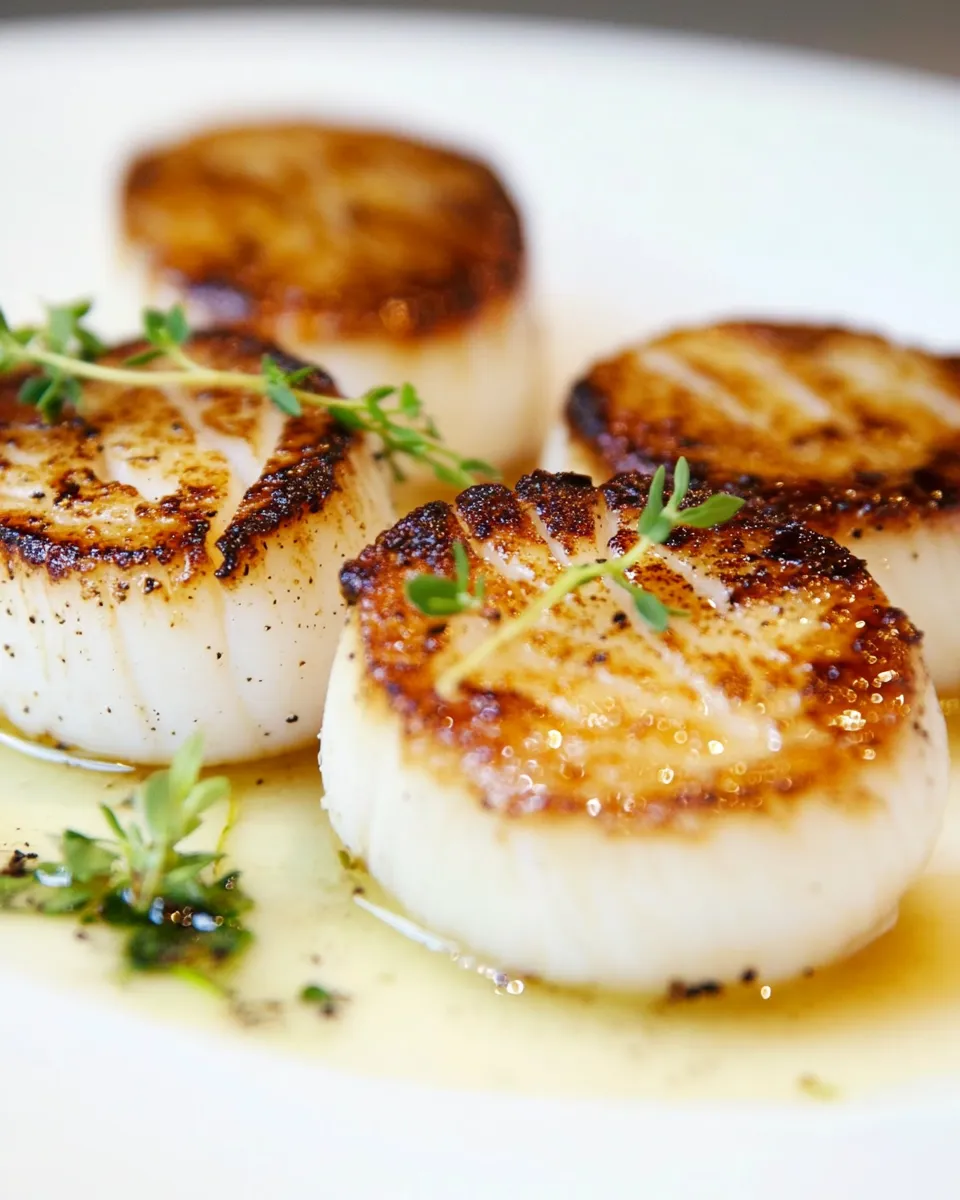
- Herb boost: Fold in chopped parsley or chives after plating for a bright herbal note without changing the cooking method.
Method to the Madness
This recipe is intentionally simple because the technique is the point. Dry, season, hot pan, space, and time—repeatable steps that control texture and flavor. Think of the process as a short choreography: prep first, heat the pan so it’s ready, sear without fuss, and rest briefly on a warm plate. Follow those steps and the results become predictable and reliable.
Storing Tips & Timelines
- Raw scallops: Keep in the coldest part of your fridge in an airtight container and use within 24 hours for best freshness.
- Cooked scallops: Store in an airtight container in the fridge for up to 2 days. Reheat gently in a hot skillet for just a minute per side to warm without overcooking.
- Freezing: If you must freeze raw scallops, flash-freeze on a tray, then transfer to a sealed bag for up to 3 months. Thaw in the fridge before using and pat very dry.
Handy Q&A
- Q: How can I tell when scallops are done? A: They will be golden brown on both sides and slightly firm to the touch. Centers may have a faint translucency but should not be raw or squishy.
- Q: Should scallops be rinsed? A: Rinse if needed to remove grit, then pat completely dry. Excess moisture prevents browning.
- Q: Can I use frozen scallops? A: Yes—thaw in the refrigerator and pat dry. Avoid using scallops packed in a lot of liquid or “soaked” in preservatives, as they won’t sear well.
- Q: Why coconut oil? A: It has a high smoke point and neutral flavor here; use another high smoke point oil if preferred.
Ready to Cook?
Gather your scallops, oil, salt, pepper, and lemon. Dry them well, heat your pan until the oil shimmers, and give each scallop room to breathe. Two minutes per side—no more, no less for tender centers and a golden crust. Serve immediately with lemon wedges and your chosen accompaniments. That’s it: a restaurant-worthy plate in under 15 minutes.
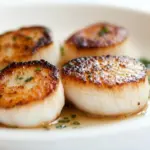
Simple Pan Seared Scallops
Ingredients
- 1 pound scallops (wild-caught preferred) side muscle removed, rinsed and patted dry
- 1/4 teaspoon kosher or sea salt
- 1/4 teaspoon black pepper freshly ground
- 1 tablespoon coconut oil plus 1 teaspoon (total 1 tbsp + 1 tsp)
- 1 lemon cut into wedges
Instructions
- Pat the scallops very dry with paper towels; remove any remaining side muscle if needed.
- Season both sides of the scallops with 1/4 teaspoon salt and 1/4 teaspoon freshly ground black pepper.
- Heat a large skillet over high heat and add the coconut oil; wait until the oil is shimmering but not smoking. If it begins to smoke, briefly remove the pan from the heat to cool slightly.
- Arrange the scallops in the hot skillet in a single layer so they are not touching.
- Sear the scallops without moving them for about 2 minutes, until a golden crust forms, then flip and sear the other side about 2 minutes more; scallops should be golden outside and slightly firm with a touch of translucency in the center.
- Transfer the scallops to a plate and serve immediately with lemon wedges and your choice of vegetables or pasta.
Equipment
- Large Skillet
- tongs or spatula
- Paper Towels
- Knife and cutting board
Notes
- Dry scallops thoroughly for the best sear.
- Do not crowd the pan; work in batches if needed.
- Use high heat so scallops brown quickly without overcooking.
- Remove side muscle if it is still attached for a tender bite.