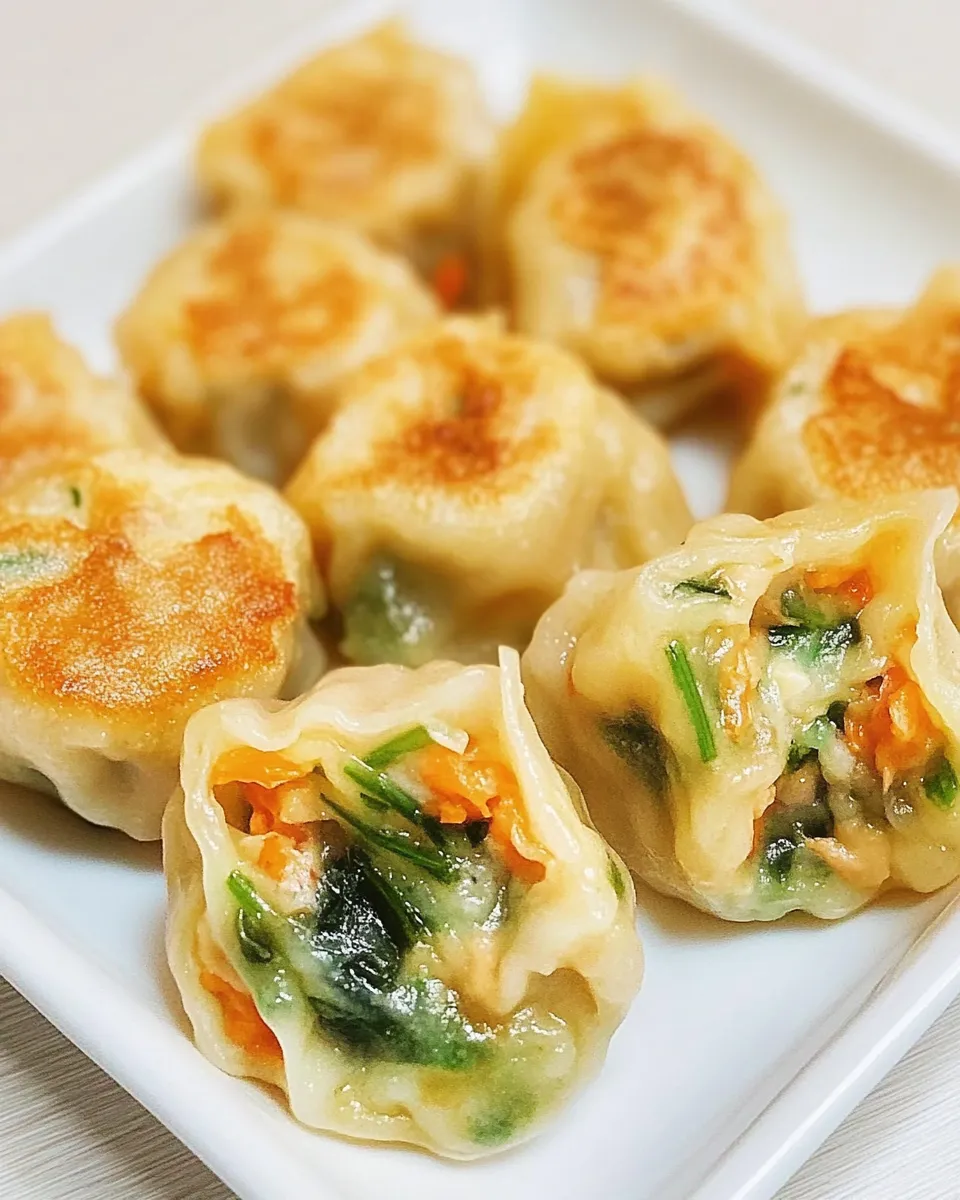
Shrimp and Chive Dumplings
I love recipes that are straightforward, quick to assemble, and deliver big flavor. These shrimp and chive dumplings hit that sweet spot: a tender, savory filling brightened by chives and a simple soy-vinegar dipping sauce. They’re great for weeknight dinners, casual entertaining, or making ahead and freezing for busy days.
This post lays everything out clearly—ingredients with practical notes, step-by-step instructions that match the recipe’s measurements, troubleshooting tips, and variations to customize the filling. No fluff—just the practical guidance you need to make consistently good dumplings at home.
The Ingredient Lineup
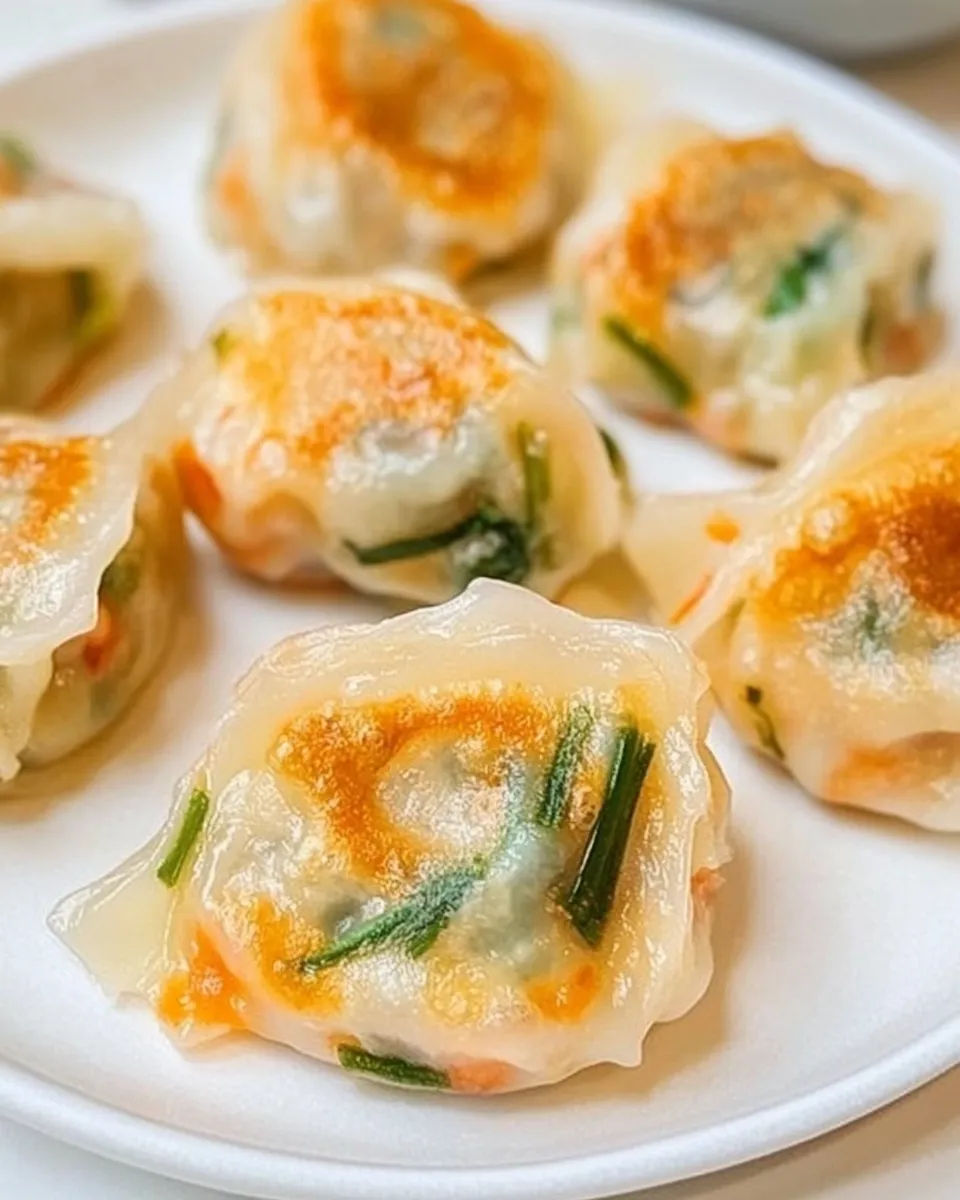
- 12 oz. shrimps, peeled and deveined, medium to big size — The main protein; chop into small pieces so the filling binds well.
- 1 oz. chives, cut into very short pieces — Adds freshness and a mild onion-like lift to the filling.
- 1 teaspoon egg white — Binds the filling and helps it hold together when pan-frying.
- 1/2 teaspoon tapioca starch (菱粉) — Light thickener that firms the filling without making it gummy.
- 1/2 teaspoon chicken bouillon powder — Gives umami and a rounded savory base; dissolves into the filling.
- 1/4 teaspoon salt — Seasoning; adjust slightly for personal taste but keep as written for balance with dipping sauce.
- 1/4 teaspoon fish sauce — Deepens savory notes—use the exact amount; it’s potent.
- 1/4 teaspoon sesame oil — Finishing oil for aroma and a touch of nuttiness.
- 3 dashes white pepper powder — Provides a gentle heat and peppery aroma distinct from black pepper.
- 1/2 teaspoon sugar — Balances acidity and salt in the filling.
- 1 teaspoon oil — Helps the filling stay moist and gives a silkier texture.
- wonton skin — The wrapper; use fresh or thawed frozen skins. Keep them covered so they don’t dry out.
- some cooking oil, for pan-frying — Neutral oil for browning the dumplings in the pan.
- 1 1/2 tablespoons soy sauce — For the dipping sauce; salty backbone.
- 1 1/2 tablespoons Chinese black vinegar — Adds acidity and depth to the dipping sauce.
Shrimp and Chive Dumplings Cooking Guide
- Step 1 — Clean and dry: Rinse the shrimp under cold water, then pat them dry thoroughly with paper towels. Excess water dilutes flavor and makes the filling loose.
- Step 2 — Prepare the dipping sauce: Mix 1 1/2 tablespoons soy sauce with 1 1/2 tablespoons Chinese black vinegar in a small bowl and set aside.
- Step 3 — Chop the shrimp: Cut each shrimp into small pieces (aim for about 3–4 pieces per shrimp). Smaller pieces make the filling easier to shape and yield a tender bite.
- Step 4 — Combine filling ingredients: In a bowl, add the chopped shrimp, 1 oz. chopped chives, 1 teaspoon egg white, 1/2 teaspoon tapioca starch, 1/2 teaspoon chicken bouillon powder, 1/4 teaspoon salt, 1/4 teaspoon fish sauce, 1/4 teaspoon sesame oil, 3 dashes white pepper powder, 1/2 teaspoon sugar, and 1 teaspoon oil. Mix thoroughly until ingredients are evenly distributed and the mixture feels slightly sticky.
- Step 5 — Marinate: Cover the bowl and refrigerate the filling for 30 minutes. Chilling helps the flavors meld and firms the filling for easier wrapping.
- Step 6 — Prepare a workspace: Lay out wonton skins on a clean, dry surface. Keep a small dish of water nearby for sealing.
- Step 7 — Fill the wrappers: Dab the index finger in water and trace a thin line along the four outer edges of a wonton skin. Place about 1 teaspoon of filling in the center. Fold the wrapper toward the middle and seal by pressing the moistened edges together. Aim for a slightly rounded dumpling shape; ensure edges are tightly sealed so filling doesn’t leak.
- Step 8 — Repeat: Continue sealing dumplings until all filling is used. Keep finished dumplings covered with a damp towel or on a lightly floured tray so the wrappers don’t dry out.
- Step 9 — Heat the pan: Warm a skillet over medium-low heat and add enough cooking oil to coat the bottom.
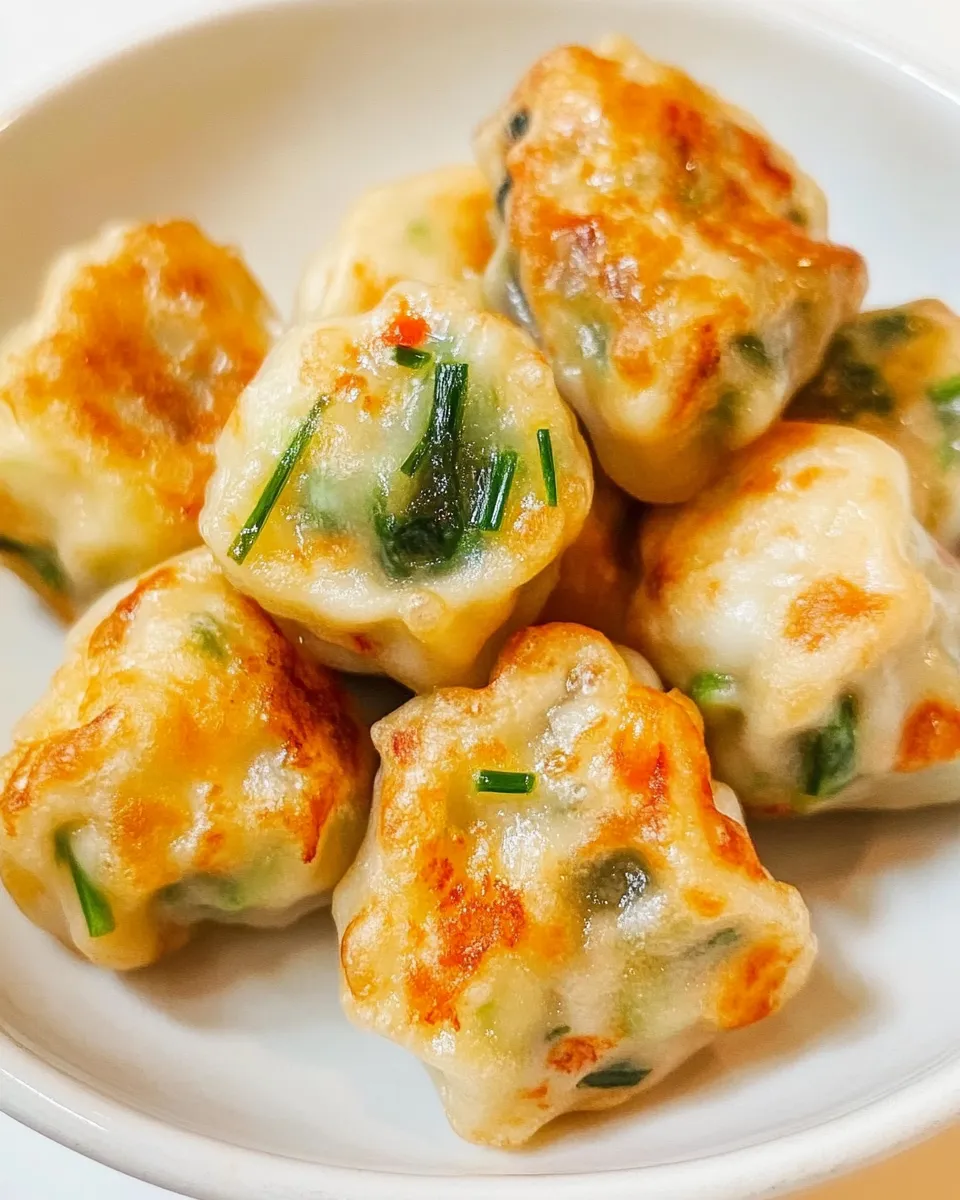
- Step 10 — Pan-fry: Place the dumplings in the pan seam-side down, spaced so they don’t touch. Cover with a lid and pan-fry on one side until the bottoms are golden brown. Flip each dumpling and pan-fry the other side until golden. Add more oil if the pan looks dry while cooking.
- Step 11 — Serve: Transfer dumplings to a plate and serve hot with the prepared soy-vinegar dipping sauce.
Why Shrimp and Chive Dumplings is Worth Your Time
These dumplings are fast to make but taste like you spent hours cooking. The shrimp keeps the filling light and fresh, and the chives provide a fragrant lift that brightens the whole bite. Pan-frying gives you the best of both textures: a crisp, golden bottom and a tender, juicy interior. The uncomplicated dipping sauce ties everything together with salty acidity.
They’re also versatile. Make a big batch and freeze half, or turn them into the centerpiece of a larger meal with a simple soup and a vegetable side. The technique you learn here translates to other fillings, so it’s a helpful skill to have in your kitchen repertoire.
Flavor-Forward Alternatives
- Swap shrimp for a 50/50 mix of shrimp and minced pork to add richness.
- Add a few drops of toasted sesame oil to the dipping sauce for a nuttier finish.
- Stir in a teaspoon of finely minced ginger to the filling for a warm, spicy note.
- Mix in chopped water chestnuts for extra crunch in the filling.
- Replace black vinegar with a rice vinegar and a pinch of sugar if you prefer a milder dip.
Equipment Breakdown
- Skillet with a lid — Needed for pan-frying and creating that steam-to-crisp effect.
- Mixing bowls — One for the filling, one small bowl for the dipping sauce.
- Paper towels — For drying shrimp and blotting excess moisture from wrappers.
- Spatula or tongs — For flipping dumplings without tearing wrappers.
- Measuring spoons and scale (optional) — To be precise with small quantities like starch and seasonings.
Frequent Missteps to Avoid
- Overly wet filling — Pat the shrimp dry thoroughly. Too much moisture prevents the filling from binding.
- Under-seasoning — The amounts listed are balanced for the filling and dipping sauce; don’t skip the fish sauce or bouillon powder, which boost umami.
- Dry wrappers — Keep unused wonton skins covered with a damp towel so they don’t crack during wrapping.
- Too-hot pan — Medium-low heat is key. If the skillet is too hot, wrappers will burn before the filling cooks through.
- Skipping the chill — Marinating the filling for 30 minutes helps it hold together during wrapping and frying.
Make It Your Way
Filling size and shapes
- Use a teaspoon of filling for a delicate, bite-sized dumpling. Increase to 1 1/2 teaspoons if you want meatier dumplings.
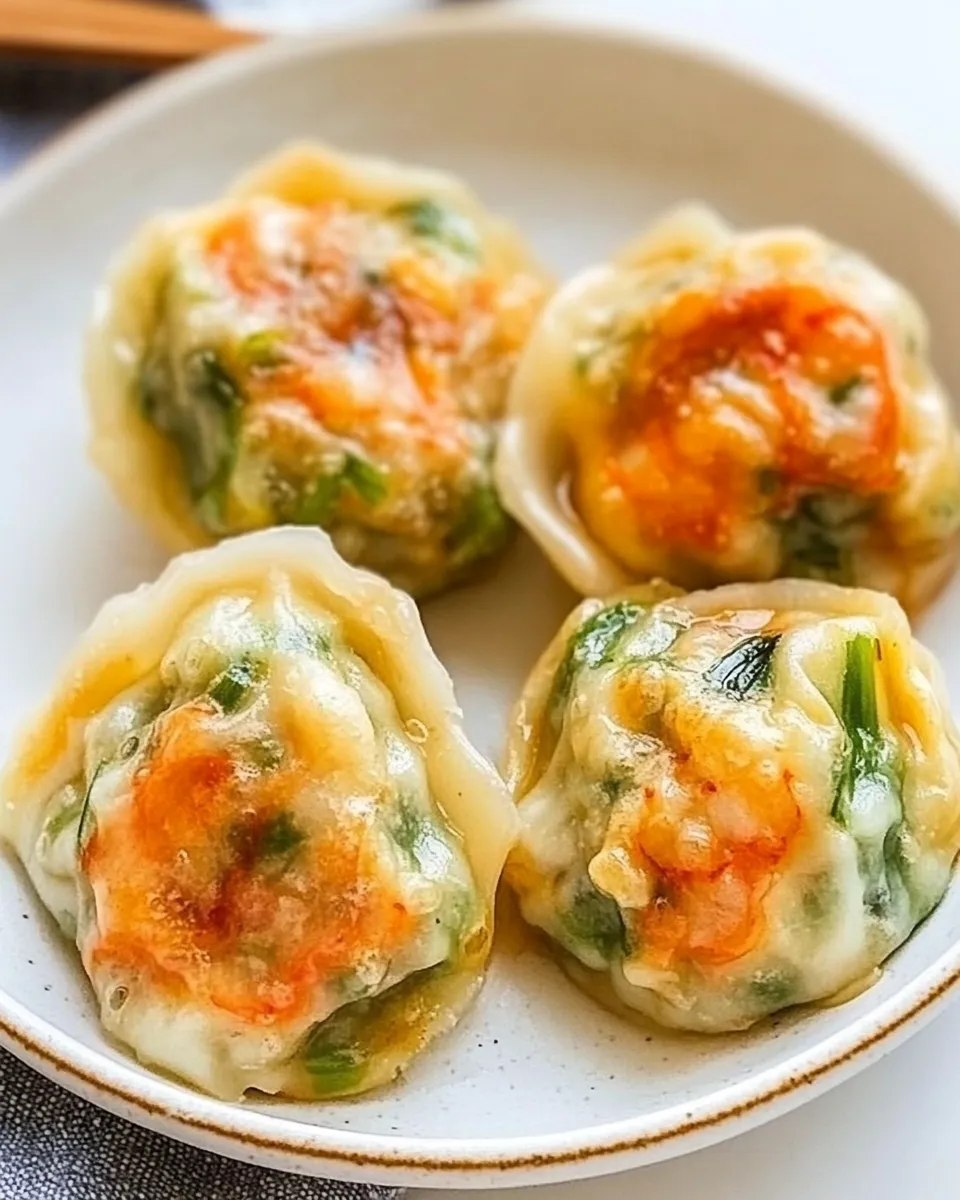
- For a pleated look, fold the wonton skin in half and pleat along the straight edge before pinching to seal—this creates a classic crescent shape.
Cooking options
- Steaming — Place dumplings in a single layer in a steamer lined with parchment; steam for 6–8 minutes or until shrimp are opaque.
- Boiling — Drop dumplings into gently boiling water and cook for 3–4 minutes or until they float and are cooked through; finish with a quick pan-sear if you want a crisp base.
Notes from the Test Kitchen
I tested these with three sizes of shrimp and found medium-to-large gave the best texture—small shrimp can get overly soft and lose body. Cutting each shrimp into 3–4 pieces produced a consistent, pleasantly chunky filling. The tapioca starch is subtle but important; it holds juices without adding cloudiness or chewiness. When pan-frying, don’t crowd the pan—give each dumpling a little space to brown evenly.
If you plan to freeze dumplings, freeze them in a single layer on a tray first so they don’t stick together, then transfer to a sealed bag. Cook straight from frozen; add an extra minute or two when pan-frying.
Storage & Reheat Guide
- Refrigerate cooked dumplings in an airtight container for up to 2 days. Reheat in a skillet over medium-low heat with a splash of oil to restore crispness.
- Freeze uncooked dumplings in a single layer on a tray until solid, then transfer to a freezer bag for up to 1 month. Pan-fry from frozen, adding a bit more time to cook through.
- To reheat steamed or boiled dumplings, steam or microwave briefly, then pan-sear if you want the bottom crisp.
Shrimp and Chive Dumplings FAQs
- Q: Can I use pre-cooked shrimp? — A: It’s better to use raw shrimp for texture and binding. Pre-cooked shrimp can become rubbery when pan-fried.
- Q: What if my filling is too loose? — A: Chill it for the full 30 minutes; the egg white and tapioca starch firm up as they rest. If still loose, work the mixture a bit more to develop cohesion.
- Q: How many dumplings does this recipe make? — A: Yield depends on how much filling you use per dumpling, but with 1 teaspoon per dumpling you’ll get roughly 18–24 dumplings from 12 oz. shrimp.
- Q: Can I steam instead of pan-frying? — A: Yes—steam for 6–8 minutes or until shrimp are opaque. Pan-frying gives a crisp bottom that many people prefer.
See You at the Table
These shrimp and chive dumplings are reliable, quick, and delicious. They’re a great weeknight option that also shines at gatherings. Give the wrapping and pan-frying technique a try once or twice and you’ll find your rhythm. When they come out golden and fragrant, that first dip into the soy-vinegar sauce is always worth the effort—enjoy.
Shrimp and Chive Dumplings
Ingredients
- 12 oz shrimp, peeled and deveined medium to large, cut into 3–4 pieces each
- 1 oz chives cut into very short pieces
- 1 teaspoon egg white
- 1/2 teaspoon tapioca starch (菱粉)
- 1/2 teaspoon chicken bouillon powder
- 1/4 teaspoon salt
- 1/4 teaspoon fish sauce
- 1/4 teaspoon sesame oil
- 3 dashes white pepper powder
- 1/2 teaspoon sugar
- 1 teaspoon oil for mixing into filling
- wonton wrappers for wrapping dumplings
- cooking oil some, for pan-frying
- 1 1/2 tablespoons soy sauce for dipping sauce
- 1 1/2 tablespoons Chinese black vinegar for dipping sauce
Instructions
- Rinse the shrimp under cold water, pat dry with paper towels, then cut each shrimp into about 3–4 small pieces and place in a mixing bowl.
- Add the chopped chives to the bowl with the shrimp.
- Mix in the egg white, tapioca starch, chicken bouillon powder, salt, fish sauce, sesame oil, white pepper, sugar, and 1 teaspoon oil until well combined.
- Cover and refrigerate the filling for 30 minutes to marinate.
- While the filling chills, combine the soy sauce and Chinese black vinegar in a small bowl and set aside as the dipping sauce.
- Place a wonton wrapper on a flat surface, wet the four outer edges with a little water, add about 1 teaspoon of filling in the center, then fold and seal the wrapper to form a round dumpling.
- Repeat wrapping until all filling is used, keeping assembled wrappers covered so they do not dry out.
- Heat a non-stick pan over medium-low, add enough cooking oil to coat the surface, place the dumplings in the pan, cover with a lid, and pan-fry until the bottoms are golden.
- Flip the dumplings and pan-fry the other side until golden and cooked through, adding more oil if needed.
- Serve the dumplings hot with the soy-vinegar dipping sauce.
Equipment
- Mixing Bowl
- cutting board and knife
- Measuring spoons
- spoon or small scoop
- non-stick frying pan or skillet
- lid for pan
- Paper Towels
Notes
- Use fresh shrimp and chives for best flavor and texture.
- Keep wonton wrappers covered with a damp cloth to prevent drying.
- Seal wrapper edges tightly to prevent filling from leaking.
- Use a non-stick pan and enough oil to avoid sticking and get a crispy bottom.
- Make dumplings similar in size so they cook evenly.
- Choose pale white or grayish-white wonton wrappers rather than yellowish ones.