Garlic Herb Butter Pasta
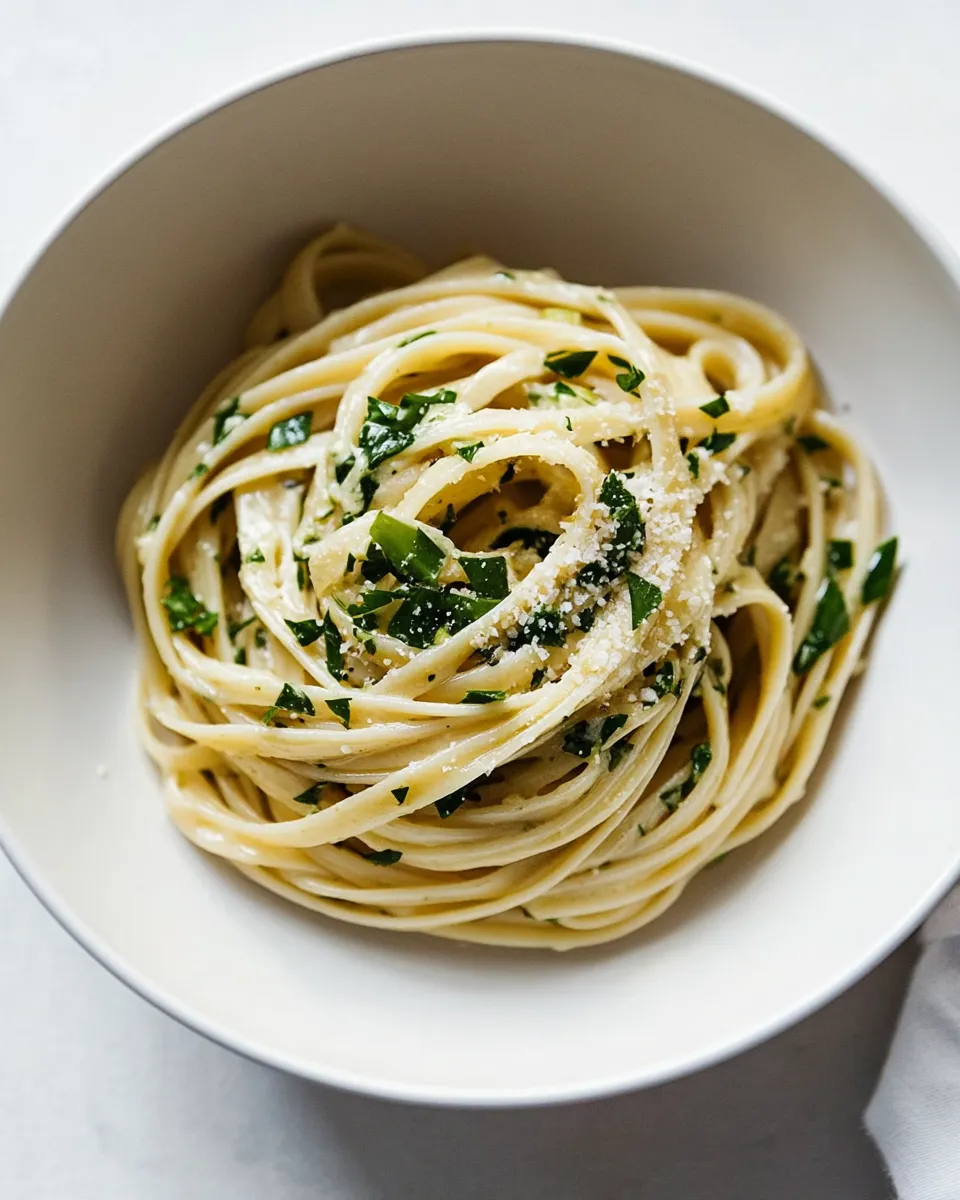
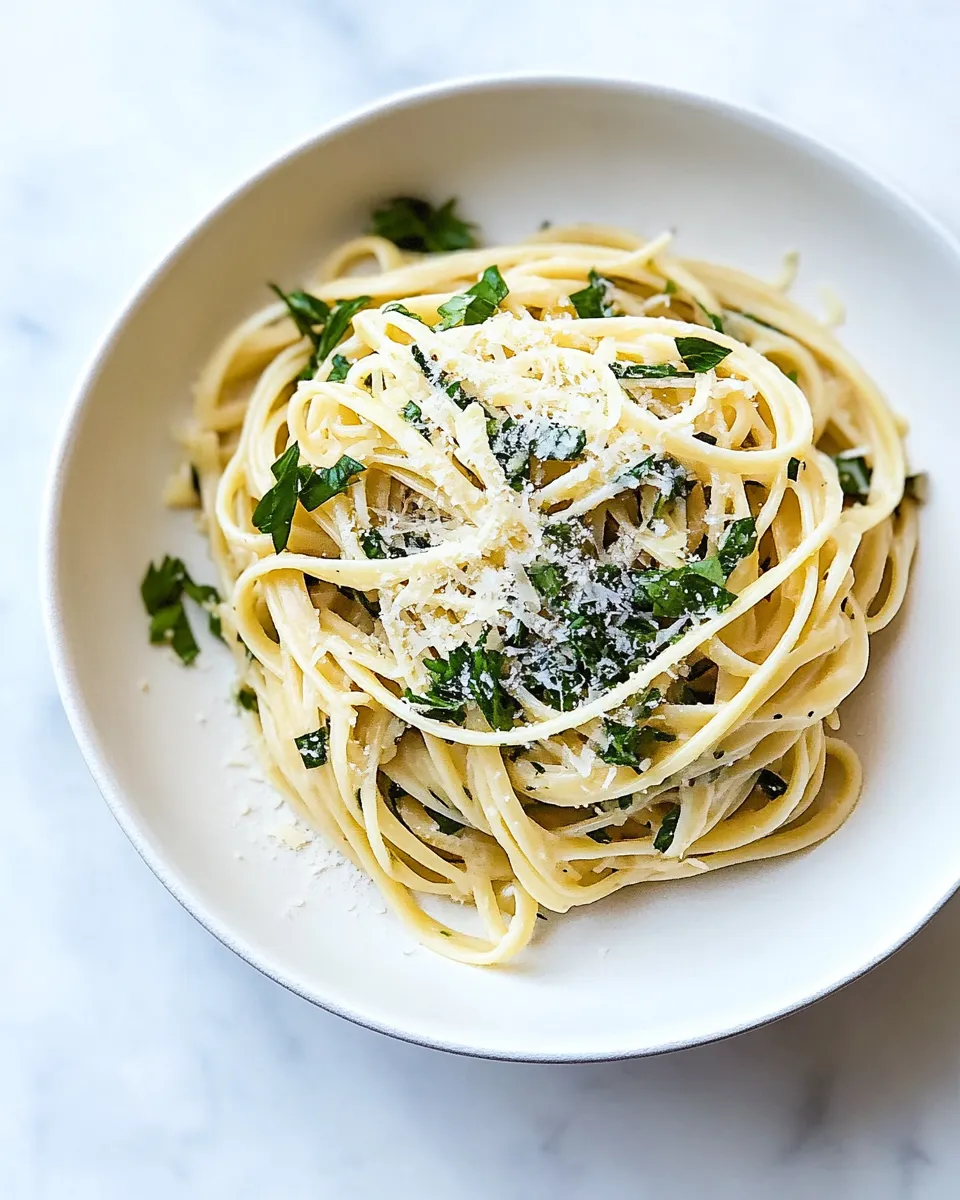
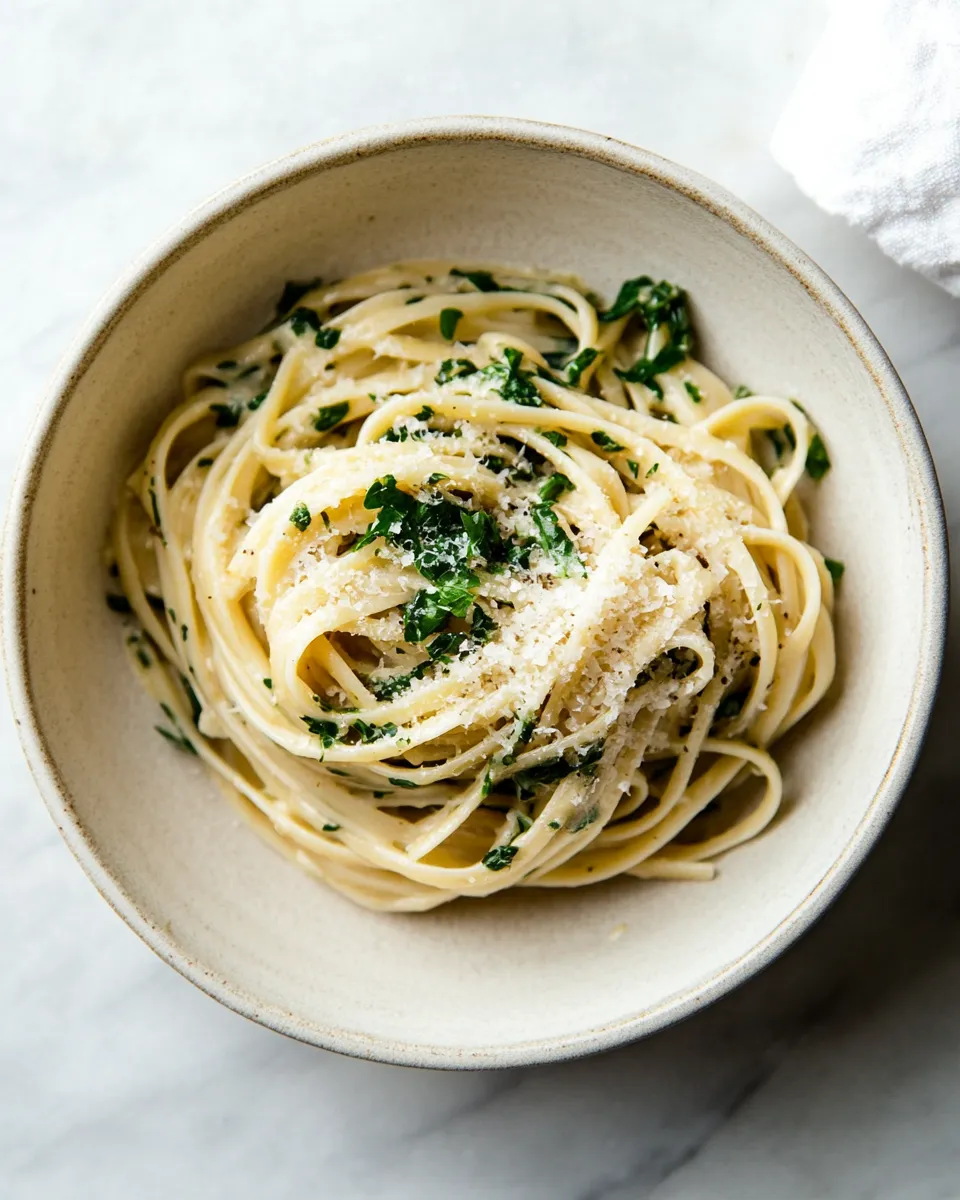
This Garlic Herb Butter Pasta is one of those dependable weeknight recipes that feels special without demanding much from you. It’s a small set of ingredients—pasta, butter, garlic, fresh herbs, and parmesan—that come together quickly and deliver comforting, bright flavors. I make a version of this when I want dinner in under 20 minutes that still tastes like I cared.
There’s a simple technique that makes this dish sing: using reserved pasta water to bind the butter, cheese, and herbs into a silky sauce. The starch in the water gives the sauce body and helps the parmesan cling to each bite. Read through the notes and tweaks below before you start—tiny adjustments make a big difference.
This post gives a practical shopping guide, clear step-by-step instructions, options for swapping ingredients, and quick troubleshooting tips. If you follow the method, you’ll end up with perfectly coated pasta that’s bright from herbs, savory from parmesan, and deeply satisfying from garlicky butter.
Your Shopping Guide
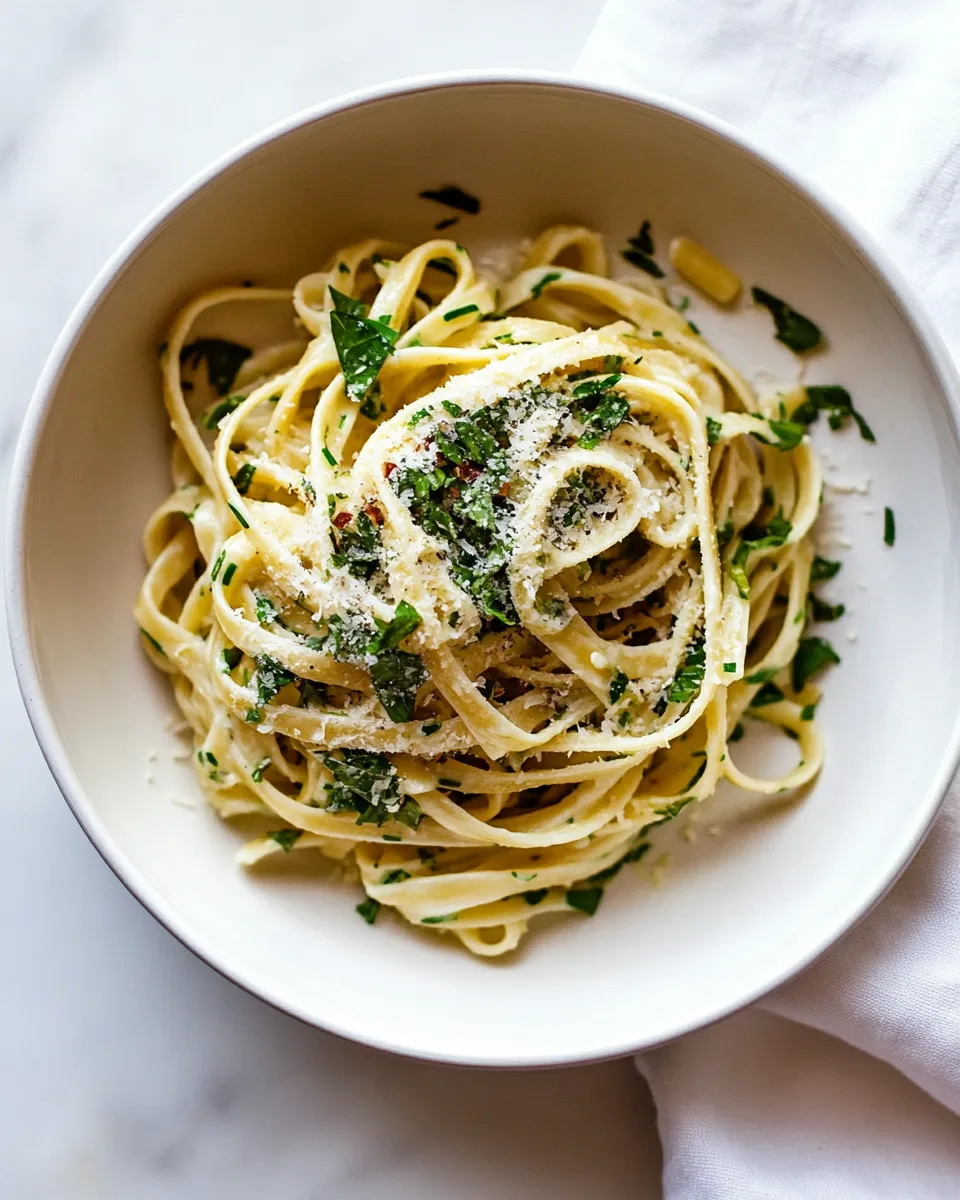
- 8 ounces pasta — I used shells; choose small shapes that hold sauce (penne, farfalle, or shells are ideal).
- 2 tablespoons butter — Unsalted lets you control seasoning. Use real butter for flavor.
- 1 clove garlic, minced — Fresh garlic is key; it flavors the butter deeply when gently cooked.
- 1/2 teaspoon crushed red pepper flakes, optional — Adds heat; use less if you’re sensitive to spice.
- 2 tablespoons parsley, chopped finely — Bright, clean herb flavor; Italian parsley preferred.
- 2 tablespoons basil, chopped/sliced thin — Adds sweet, aromatic notes; slice thin so it distributes evenly.
- 2 tablespoons chives, chopped finely — Oniony zip that’s subtle and fresh; slice thin across the stems.
- 1/2 cup freshly grated parmesan cheese — Use freshly grated for melt and texture; pre-grated won’t give the same creaminess.
- Salt & pepper, to taste — Season the pasta water generously and finish with black pepper to taste.
From Start to Finish: Garlic Herb Butter Pasta
Timing overview
- Prep: 5 minutes (chop herbs, mince garlic)
- Cook: 10–12 minutes (pasta + sauce)
- Total: ~20 minutes
Step-by-step instructions
- Bring a large pot of salted water to a rolling boil. Use enough water so the pasta can move freely.
- Add 8 ounces pasta (shells recommended) and cook according to package directions until just al dente. You’ll be reserving pasta water, so don’t drain immediately.
- While the pasta cooks, chop 2 tablespoons parsley, 2 tablespoons basil (thinly sliced), and 2 tablespoons chives; mince 1 clove garlic.
- When the pasta is near done (about 1–2 minutes remaining), place a skillet over medium heat and add 2 tablespoons butter. Let the butter melt and begin to foam but not brown.
- Add the minced garlic and 1/2 teaspoon crushed red pepper flakes (if using) to the melted butter. Stir frequently and cook for about 1 minute until fragrant. Do not let the garlic brown.
- Just before you drain the pasta, reserve about 1/2 cup of the starchy pasta cooking water.
- Drain the pasta and immediately transfer it to the skillet with the garlic butter. Add 1/2 cup freshly grated parmesan cheese and the chopped herbs (parsley, basil, chives).
- Pour in a splash—start with a few tablespoons—of the reserved pasta water. Turn off the heat and toss the pasta continuously. The cheese will melt and the starchy water will emulsify with the butter into a silky sauce.
- Continue tossing and add more pasta water as needed, a little at a time, until the pasta is evenly coated and the sauce reaches your desired consistency. You likely won’t need all the reserved water.
- Season generously with salt and freshly ground black pepper to taste. Serve immediately and pass extra parmesan at the table if you like.
Why Garlic Herb Butter Pasta is Worth Your Time
This dish delivers maximum comfort for minimal effort. The combination of melted butter and fresh parmesan creates a creamy mouthfeel without cream. Fresh herbs add lift and keep the pasta from tasting heavy. It’s fast, economical, and scales easily for more people.
It’s also versatile: use it as a base for roasted vegetables, toss in shredded chicken, or serve it alongside a simple salad and a piece of crusty bread. For anyone who cooks often, this recipe becomes a reliable template to build from.
Ingredient Flex Options
- Pasta shape — Shells, penne, farfalle, or orecchiette all work. Choose a shape that holds the sauce well.
- Butter alternatives — For a lighter finish, use 1 tablespoon butter + 1 tablespoon olive oil. Flavor will change slightly.
- Cheese swaps — Pecorino Romano can replace parmesan for a sharper, saltier punch.
- Herb variations — Swap basil for tarragon or oregano in small amounts. Keep total herb quantity around 6 tablespoons (combined).
- Heat level — Omit crushed red pepper for no heat, or add a pinch more for a spicier bite.
Hardware & Gadgets
- Large pot — for boiling pasta so it cooks evenly.
- Skillet (10–12 inch) — wide enough to toss pasta and finish the sauce.
- Chef’s knife and cutting board — for finely chopping herbs and garlic.
- Tongs or pasta fork — for transferring and tossing pasta in the skillet.
- Measuring spoons and cup — to measure butter, herbs, and reserved water.
- Microplane or fine grater — for freshly grating the parmesan.
Don’t Do This
- Don’t overcook the garlic — let it soften and release aroma but not brown, which makes it bitter.
- Don’t dump all the pasta water at once — add it gradually to control sauce consistency.
- Don’t skip salting the pasta water — it’s the primary way to season the pasta itself.
- Don’t use pre-shredded parmesan if you can avoid it — it contains anti-caking agents that prevent proper melting.
- Don’t let the butter brown in the skillet before adding garlic — you want a clean, nutty butter flavor, not a browned, toasty note.
Make It Year-Round
In summer, use extra basil and serve with halved cherry tomatoes for freshness. In winter, fold in roasted mushrooms or wilted spinach to add body and seasonal depth. The core method—pasta, butter, garlic, cheese, and herbs—works in any season; adjust the additions to match produce availability.
To make a more substantial main dish, add cooked shrimp, shredded rotisserie chicken, or crispy pancetta right before tossing with the sauce. For a lighter meal, double the herbs and serve with a lemony arugula salad.
Cook’s Commentary
I rely on this recipe when I want something reliable and fast that doesn’t taste like a compromise. The trick I repeat is reserving the pasta water and adding it slowly; that step is what turns loose butter and grated cheese into a cohesive sauce. Fresh herbs are the other non-negotiable—they bring brightness that keeps this from feeling heavy.
When I’m rushed, I’ll prep the herbs while the pasta comes up to a boil so there’s minimal downtime. If you’re serving guests, finish the pasta in the warm skillet with the herbs and cheese off the heat so the sauce stays glossy and the herbs stay fresh.
Leftovers & Meal Prep
Store leftovers in an airtight container in the refrigerator for up to 3 days. The sauce will firm up as the butter and cheese solidify; gently reheat in a skillet over low heat with a splash of water or broth to loosen it back up. Avoid microwaving straight from the fridge without adding liquid—this can make the pasta dry.
For meal prep, cook the pasta a touch under al dente so reheating doesn’t turn it mushy. Store the sauce components (herbs, garlic butter, and parmesan) separately and combine when reheating for best texture.
Troubleshooting Q&A
- Q: My sauce is grainy, why? — Graininess usually comes from the cheese not melting smoothly. Use freshly grated parmesan and add warm pasta water gradually while tossing off the heat; residual heat will melt the cheese into the butter.
- Q: Sauce is too thin or watery? — Let the pasta and sauce sit in the skillet for a minute while tossing; the starch will help thicken. If it stays watery, add a small pinch more cheese and toss.
- Q: Garlic tastes bitter? — That means it was cooked too long or at too high heat. Start the garlic in melted butter over medium and remove from direct heat as soon as it’s fragrant, about 30–60 seconds.
- Q: Pasta tastes bland? — Increase salt in the boiling water—pasta needs well-seasoned water because it’s the only time salt can penetrate the noodle.
Ready to Cook?
Gather your ingredients: 8 ounces pasta, 2 tablespoons butter, 1 clove garlic (minced), 1/2 teaspoon crushed red pepper flakes (optional), 2 tablespoons each parsley, basil, and chives (all chopped), 1/2 cup freshly grated parmesan, and salt & pepper. Bring a pot of salted water to a boil, follow the step-by-step instructions above, and you’ll have a simple, flavorful meal in about 20 minutes. Happy cooking—this one becomes a weekday staple fast.
Garlic Herb Butter Pasta
Ingredients
- 8 ounces pasta (shells recommended)
- 2 tablespoons butter
- 1 clove garlic minced
- 1/2 teaspoon crushed red pepper flakes optional
- 2 tablespoons parsley finely chopped
- 2 tablespoons basil chopped or thinly sliced
- 2 tablespoons chives finely chopped
- 1/2 cup parmesan cheese freshly grated
- salt to taste
- black pepper to taste
Instructions
- Bring a large pot of salted water to a boil and cook the pasta until al dente according to package directions, reserving about 1/2 cup of the pasta cooking water before draining.
- While the pasta cooks, melt the butter in a skillet over medium heat.
- Add the minced garlic and crushed red pepper flakes (if using) to the melted butter and cook, stirring, for about 1 minute until fragrant but not browned.
- Turn off the heat, add the drained pasta to the skillet, then stir in the grated Parmesan and the chopped parsley, basil, and chives.
- Add a splash (a few tablespoons) of the reserved pasta water and toss continuously until the cheese melts and the pasta is evenly coated; add more pasta water as needed to reach the desired sauce consistency.
- Season generously with salt and freshly ground black pepper, toss once more, and serve immediately with extra Parmesan if desired.
Equipment
- Large Pot
- Skillet
- Colander
- Measuring spoons
- measuring cup
- wooden spoon or tongs
Notes
- Serves 2–4 depending on portion size and accompaniments.
- Omit red pepper flakes to keep the dish mild.
- Reserve pasta water before draining to help form the sauce.
- Use freshly grated Parmesan for best melting and flavor.
- Chop herbs finely for even distribution.