Potato Pancakes Recipe
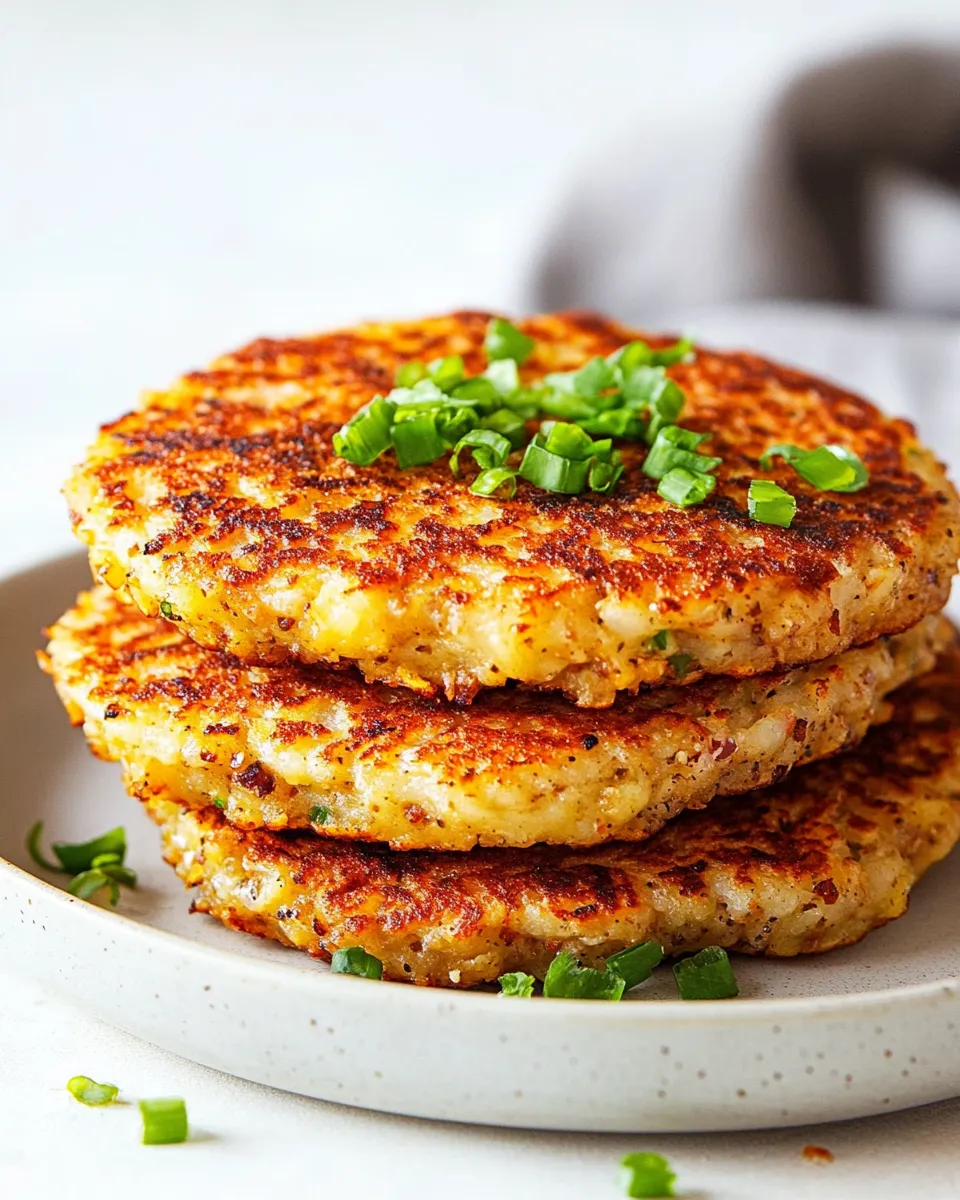
Potato pancakes are a humble, comforting dish that lands on my table as often as I can spare the time. They’re crispy at the edges, tender inside, and perfect for breakfast, a quick dinner, or a party platter. This version leans on simple pantry ingredients and a small herb lift—dill—and keeps the technique straightforward so you get consistent results every time.
There’s no fluff here: I’ll walk you from shopping to skillet, highlight common mistakes, offer sensible substitutions, and give storage and make-ahead tips that actually work. If you’ve fried potatoes before, this will feel familiar; if this is your first time, you’ll find the process approachable and satisfying.
Keep in mind the one habit that makes the difference: squeeze out the liquid. Do that right and your pancakes will crisp up without turning greasy. Read through the steps once, then cook with confidence.
Your Shopping Guide
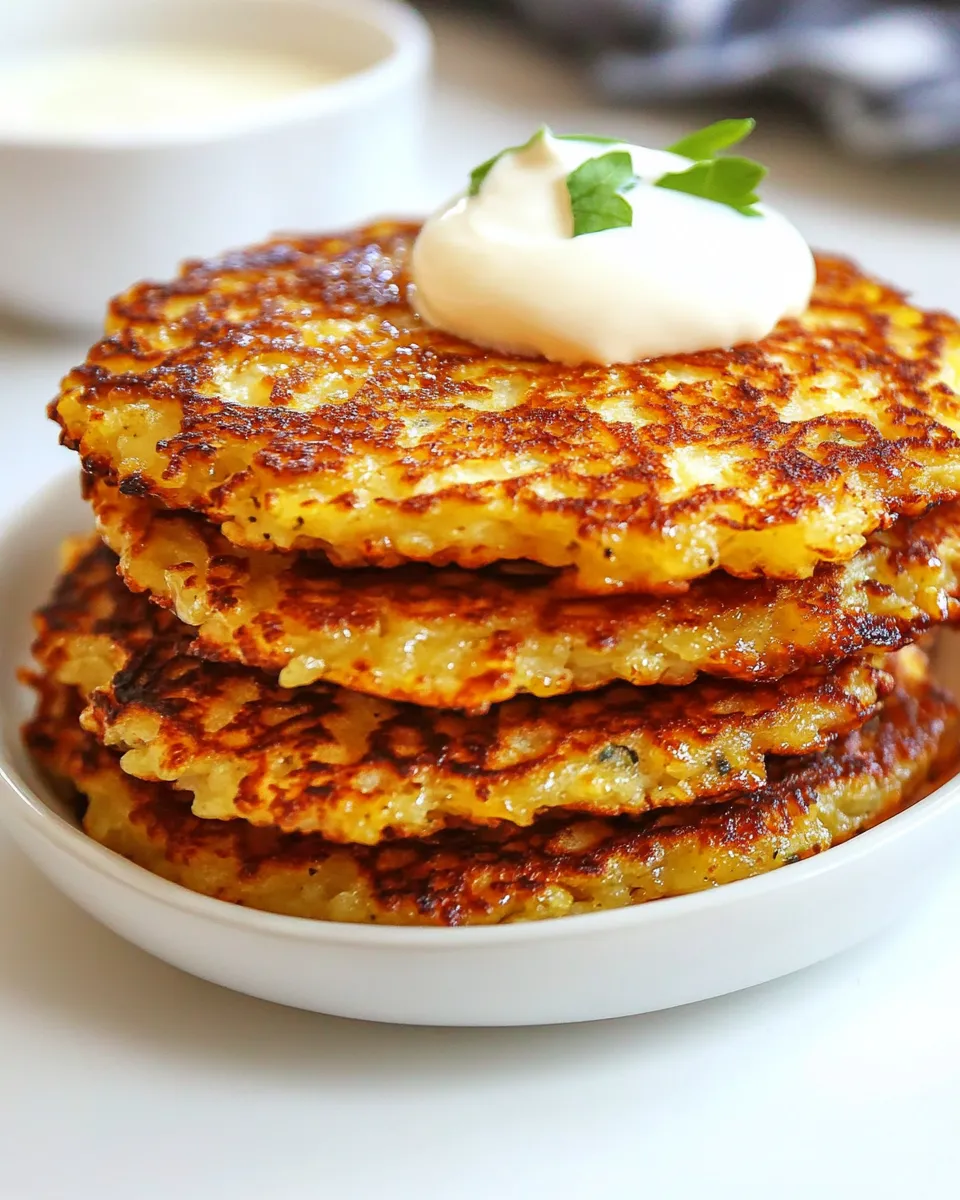
Shopping for these pancakes is simple. Buy starchy russet potatoes for the best texture; they bind well and crisp up. Choose a firm sweet onion (not overly juicy) and look for fresh dill—its bright flavor is subtle but noticeable. If you like a tangy contrast, pick up sour cream for serving, but it’s optional.
- 5 russet potatoes — Starchy potatoes; they yield a fluffy interior and crispy exterior.
- 1 sweet onion — Adds sweetness and moisture; grating blends it evenly into the batter.
- 2 large eggs — Bind the mixture and help the pancakes hold together.
- 3 tablespoons all-purpose flour — Provides structure so pancakes stay intact when flipped.
- 1 teaspoon kosher salt — Seasoning base; adjust to taste if using table salt.
- 3 cloves garlic — Minced for a gentle garlicky undertone; don’t overdo or it will dominate.
- 1/2 teaspoon black pepper — Adds a mild bite; freshly ground is best.
- 1 teaspoon paprika — Gives a hint of color and mild smokiness.
- 1 tablespoon dill — Fresh and chopped; brightens the pancakes.
- 1/4 cup vegetable oil — For frying; use more as needed to maintain a shimmering skillet.
- Sour cream — Optional; cool, tangy topping that pairs perfectly with hot, crisp pancakes.
Stepwise Method: Potato Pancakes Recipe
Follow these practical steps in order. I’ve kept the ingredients and amounts exactly as listed and clarified each action so nothing feels rushed or confusing.
- Prep the potatoes and onion: Peel the 5 russet potatoes and the sweet onion. Using the large holes of a box grater (or a coarse disc in a food processor), grate the potatoes and the onion into a large bowl or onto a clean work surface. Work quickly so the potatoes don’t darken too much.
- Drain and squeeze: Place the grated potatoes and onion into a colander set over the sink. Wrap the contents in a clean tea towel (or several paper towels). Apply steady pressure with your hands and squeeze as much liquid as possible—this step is crucial for crispy pancakes. Discard the liquid.
- Combine the dry mixture: Transfer the squeezed potato-and-onion mixture into a large mixing bowl.
- Make the binder: In a separate medium mixing bowl, add 2 large eggs, 3 tablespoons all-purpose flour, 1 teaspoon kosher salt, 3 cloves minced garlic, 1/2 teaspoon black pepper, 1 teaspoon paprika, and 1 tablespoon chopped dill. Whisk until the mixture is smooth and there are no lumps from the flour.
- Mix together: Pour the egg-and-seasoning mixture into the large bowl with the potatoes and onion. Stir thoroughly with a sturdy spoon or spatula until the potato strands are evenly coated and the mixture holds together when pressed—this is your pancake batter.
- Heat the skillet: Add 1/4 cup vegetable oil to a large skillet and place it over medium-high heat. Heat until the oil shimmers but is not smoking—about 2–3 minutes depending on your stove.
- Form and fry pancakes: Using a 1/4-cup measure (or an ice cream scoop), drop scoops of the potato mixture into the hot oil. Do not overcrowd the pan; leave enough space to flip each pancake. Gently press each mound with a spatula to flatten into a pancake shape about 1/2-inch thick.
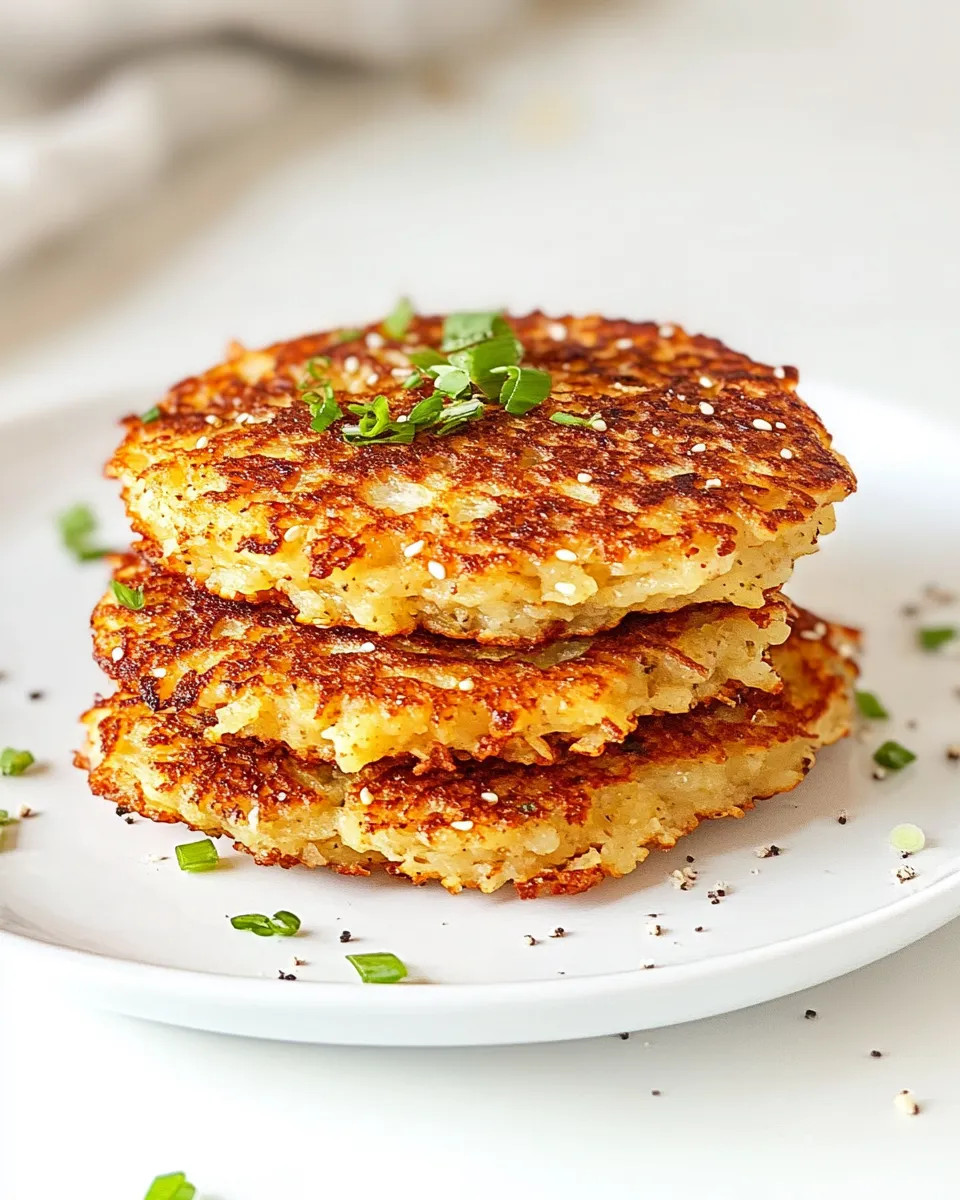
- Cook until golden: Fry the pancakes for about 3–5 minutes per side, adjusting time as needed until each side develops a deep golden brown color. Resist moving them too soon; the crust needs time to form so they release cleanly.
- Finish remaining batter: Transfer cooked pancakes to a plate lined with paper towels to drain briefly. If your skillet becomes dry while cooking the remaining batter, add more oil as needed and repeat until all batter is used.
- Serve: Serve the pancakes hot, topped with sour cream and a sprinkle of fresh dill if you like. They’re best eaten immediately while the exterior is crisp and the interior is warm.
Why Cooks Rave About It
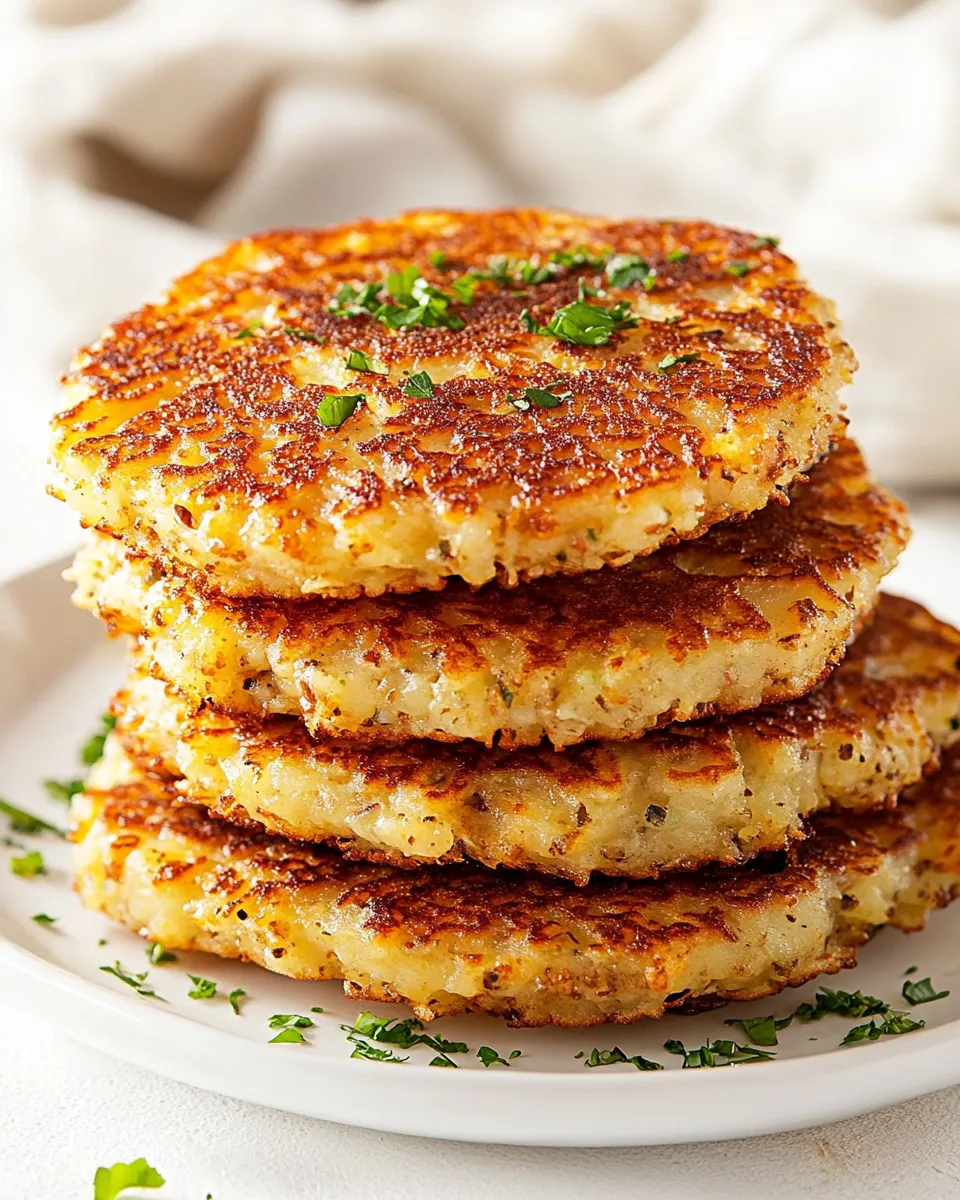
These potato pancakes hit the familiar sweet spot: contrast of textures and simple, nostalgic flavors. The starchy russets produce a soft interior, while squeezing out the liquid and frying in hot oil gives you a crispy exterior without sogginess. The egg and flour keep them cohesive, so you don’t end up with a pile of loose potato strands.
The recipe scales easily and adapts to different meals—serve them with eggs for breakfast, a salad for lunch, or smoked fish for a brunch-style spread. The dill-and-garlic pairing adds fresh, savory notes that make them feel elevated without complicating the process.
Substitutions by Category
Potatoes
- Yukon Gold — Slightly waxier than russets; pancakes will be creamier and still brown nicely.
- Sweet potatoes — Use same amount; flavor is sweeter and texture denser—works if you want a twist.
Binders & Flours
- Eggs — No good direct substitute in this exact texture; for a vegan version, consider a flax or chia egg but expect a looser batter.
- Flour — Swap up to 1:1 with a gluten-free flour blend if needed.
Frying Oil
- Vegetable oil — Neutral oil is ideal. Can substitute canola or light olive oil with similar results.
Tools of the Trade
- Box grater or food processor with coarse grating disc — for grating potatoes and onion quickly.
- Clean tea towel or heavy-duty cheesecloth — to squeeze moisture out of the grated mix.
- Large mixing bowls — one for potatoes, one for the egg mixture.
- Large skillet (nonstick or stainless steel) — gives even heat and enough surface area to fry multiple pancakes.
- Spatula — a thin, sturdy spatula makes flipping easier and keeps the pancakes intact.
- Measuring spoons and 1/4-cup measure — helps portion consistent pancakes.
Frequent Missteps to Avoid
- Not squeezing the liquid enough — leads to soggy, greasy pancakes that don’t crisp.
- Overcrowding the pan — drops the temperature and prevents browning; cook in batches.
- Using the wrong potato — waxy potatoes (too little starch) give a gummy texture; choose russet or other starchy varieties.
- Flipping too early — pancakes need time to form a crust; if they stick, they likely need more time.
- Excessive oil temperature — if oil smokes, the exterior will burn before the inside cooks; aim for shimmering, not smoking.
Better-for-You Options
- Pan-fry with less oil: Use a nonstick skillet and 1–2 tablespoons oil, turning the pancake gently once a crust forms. Expect a slightly less uniform crisp but lower fat.
- Bake instead of fry: Spoon patties onto a parchment-lined sheet, brush lightly with oil, and bake at 425°F (220°C) until golden, about 20–25 minutes, flipping halfway. Texture will be different—less deep-fried crisp—but still enjoyable.
- Reduce salt: Start with 3/4 teaspoon kosher salt and add at the table as desired.
- Yogurt swap: Use plain Greek yogurt instead of sour cream for a higher-protein, tangy topping.
Pro Perspective
Professional cooks pay attention to three things here: potato variety, moisture control, and oil temperature. Russets give the best interior-to-crust ratio. Squeezing out liquid is non-negotiable—think of it as the step that determines texture. And finally, a properly heated pan will brown the pancake quickly, forming a barrier that keeps the interior tender but not oily.
When you test the first pancake, treat it like a prototype. Taste, adjust seasoning in the batter if needed, and adjust heat to get that ideal 3–5 minute-per-side timing. Pros also keep a warmed oven at the ready (200°F/95°C) to keep finished pancakes warm while they finish the batch.
Make-Ahead & Storage
- Make-ahead batter: You can grate potatoes and onion, then wrap and refrigerate them in a towel-lined bowl for up to 24 hours. Squeeze the liquid just before assembling the batter.
- Cooked pancakes: Store cooled pancakes in an airtight container in the refrigerator for up to 3 days. Reheat in a skillet or oven to restore crispness—avoid the microwave if you want crunch.
- Freezing: Flash-freeze cooked pancakes on a sheet until firm, then transfer to a freezer bag for up to 2 months. Reheat from frozen in a 400°F (200°C) oven for 10–15 minutes until hot and crisp.
Helpful Q&A
Q: Can I use a food processor to grate the potatoes? A: Yes. Use the coarse grating disc to speed things up. Work in small batches so the processor doesn’t overheat.
Q: My pancakes fell apart—what happened? A: Likely not enough binder (eggs/flour) or too much moisture. Make sure you squeezed the liquid thoroughly and that you mixed the egg-flour mixture in well.
Q: Can I make them without garlic or dill? A: Absolutely. They’ll still be tasty—just season to taste, maybe add a little extra black pepper or a pinch of onion powder if you skip the garlic.
Q: How can I get them extra crispy? A: Use a thin layer of oil and keep the pan hot. Don’t crowd the pan and flip only when a deep golden crust has formed.
That’s a Wrap
These potato pancakes are straightforward, forgiving, and delicious. Follow the squeeze-and-fry method, mind your oil temperature, and you’ll have golden pancakes with a tender interior every time. They’re a great foundation for toppings and sides—sour cream and dill keep things classic, but they’re equally good with applesauce, smoked salmon, or a simple green salad.
Make a batch, test one to dial in the heat, then enjoy the rest warm. If you want to experiment, try different herbs or a pinch of cayenne for heat. Most of all, keep it practical: good potatoes, proper drainage, and steady heat are the three things that make these pancakes sing.
Potato Pancakes Recipe
Ingredients
- 5 russet potatoes peeled and grated
- 1 sweet onion peeled and grated
- 2 large eggs
- 3 tablespoons all-purpose flour
- 1 teaspoon kosher salt
- 3 cloves garlic minced
- 1/2 teaspoon black pepper
- 1 teaspoon paprika
- 1 tablespoon dill chopped
- 1/4 cup vegetable oil plus more if needed for frying
- sour cream optional, for serving
Instructions
- Grate the potatoes and the sweet onion using a box grater or food processor.
- Place the grated potatoes and onion in a colander, wrap with a clean tea towel, and squeeze firmly to remove as much liquid as possible.
- Transfer the drained potato and onion mixture to a large mixing bowl.
- In a medium bowl, whisk together the eggs, minced garlic, flour, kosher salt, paprika, black pepper, and chopped dill until smooth.
- Add the egg mixture to the potatoes and stir until well combined.
- Heat the vegetable oil in a large skillet over medium-high heat until shimmering.
- Drop 1/4-cup scoops of the potato mixture into the hot oil without overcrowding the pan, then gently press each mound to flatten into a pancake.
- Cook the pancakes about 3–5 minutes per side, until deep golden brown, then flip and cook the other side.
- Cook remaining batter, adding more oil to the skillet as needed between batches.
- Serve the potato pancakes hot topped with sour cream and additional chopped dill if desired.
Equipment
- box grater or food processor with grating disc
- large mixing bowl
- medium mixing bowl
- Colander
- clean kitchen towel or cheesecloth
- Large Skillet
- Spatula
- measuring spoons and cups
Notes
- Press grated potatoes thoroughly to remove excess moisture.
- Do not overcrowd the skillet when frying.
- Adjust oil amount as needed between batches.
- Cook until both sides are deep golden brown.