Please share this post with your friends 🤗
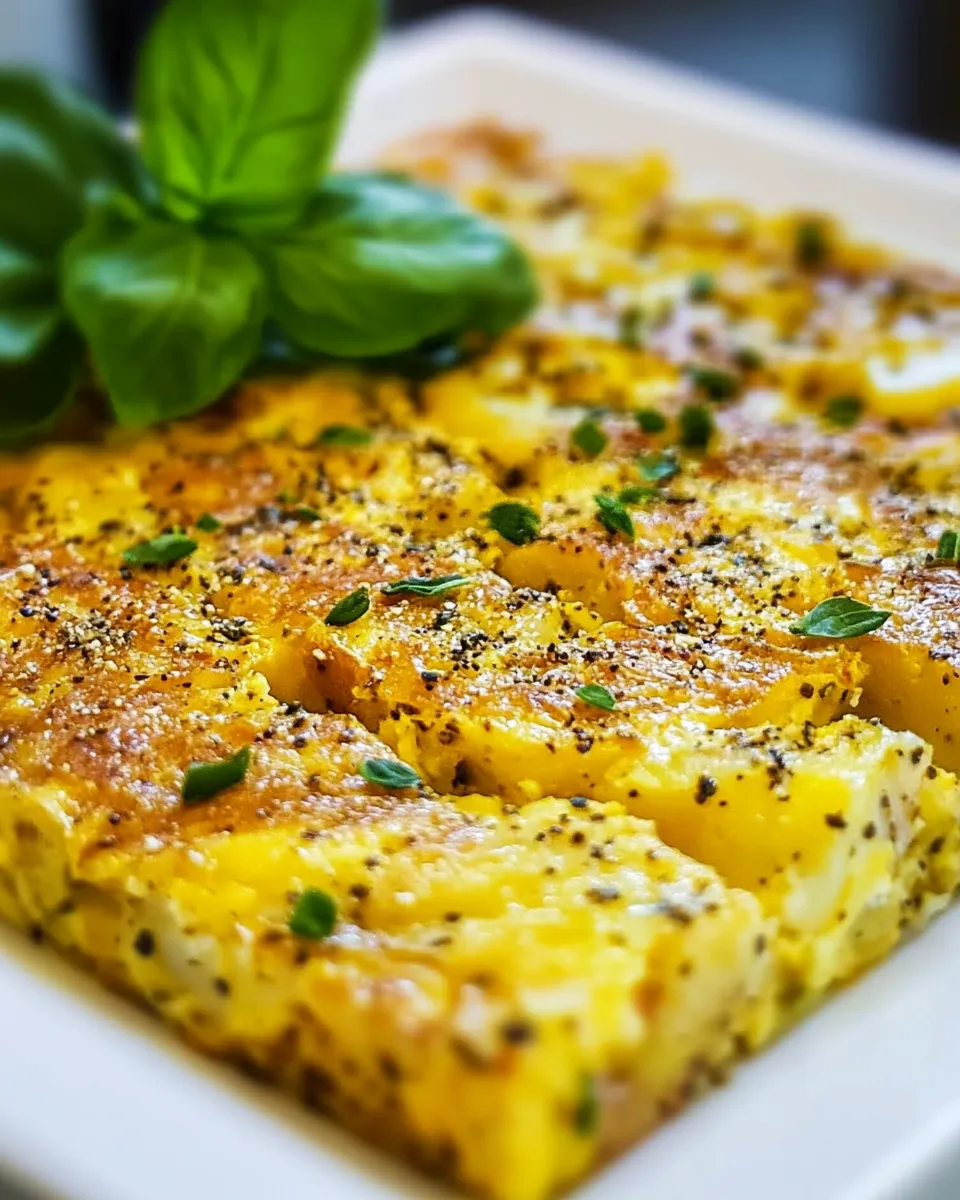
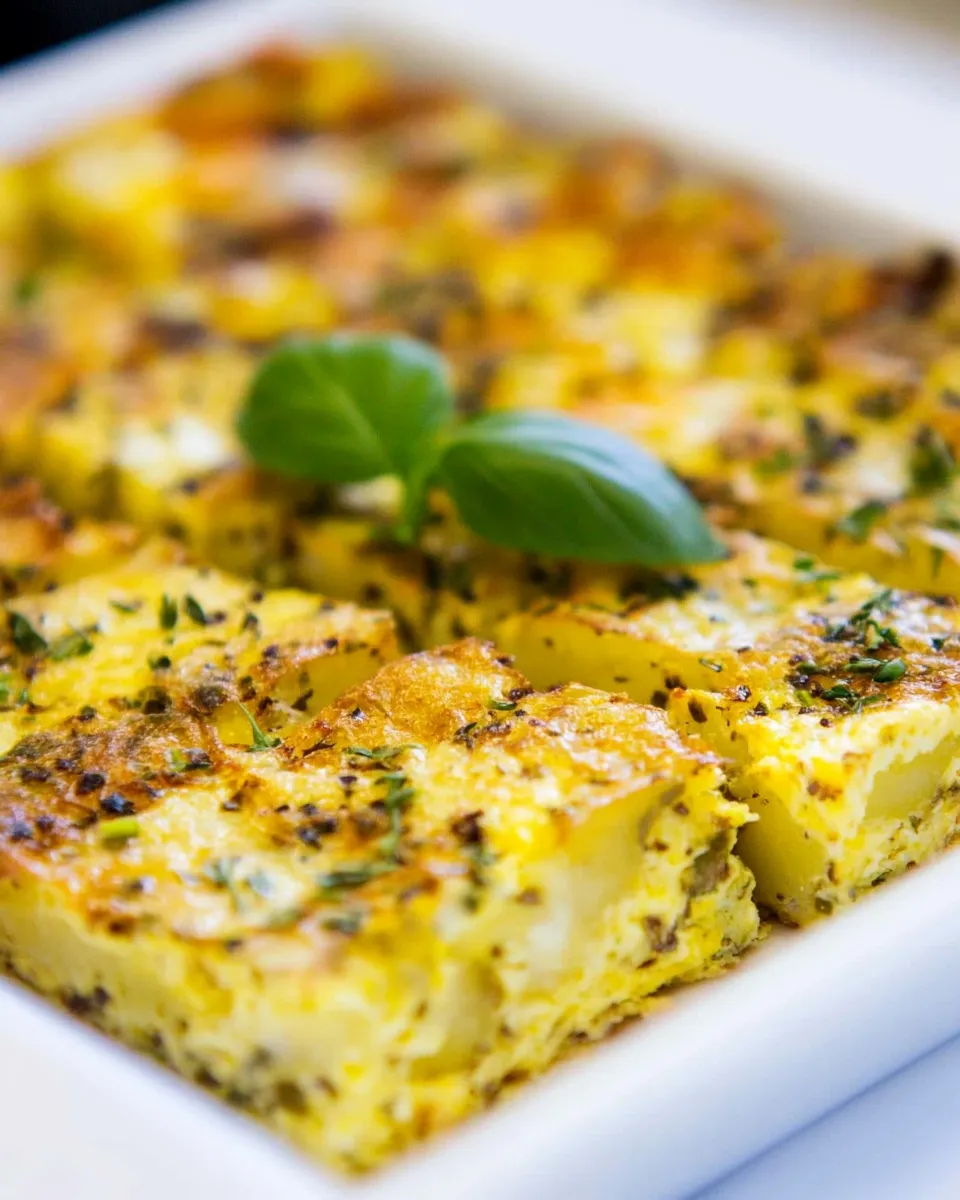
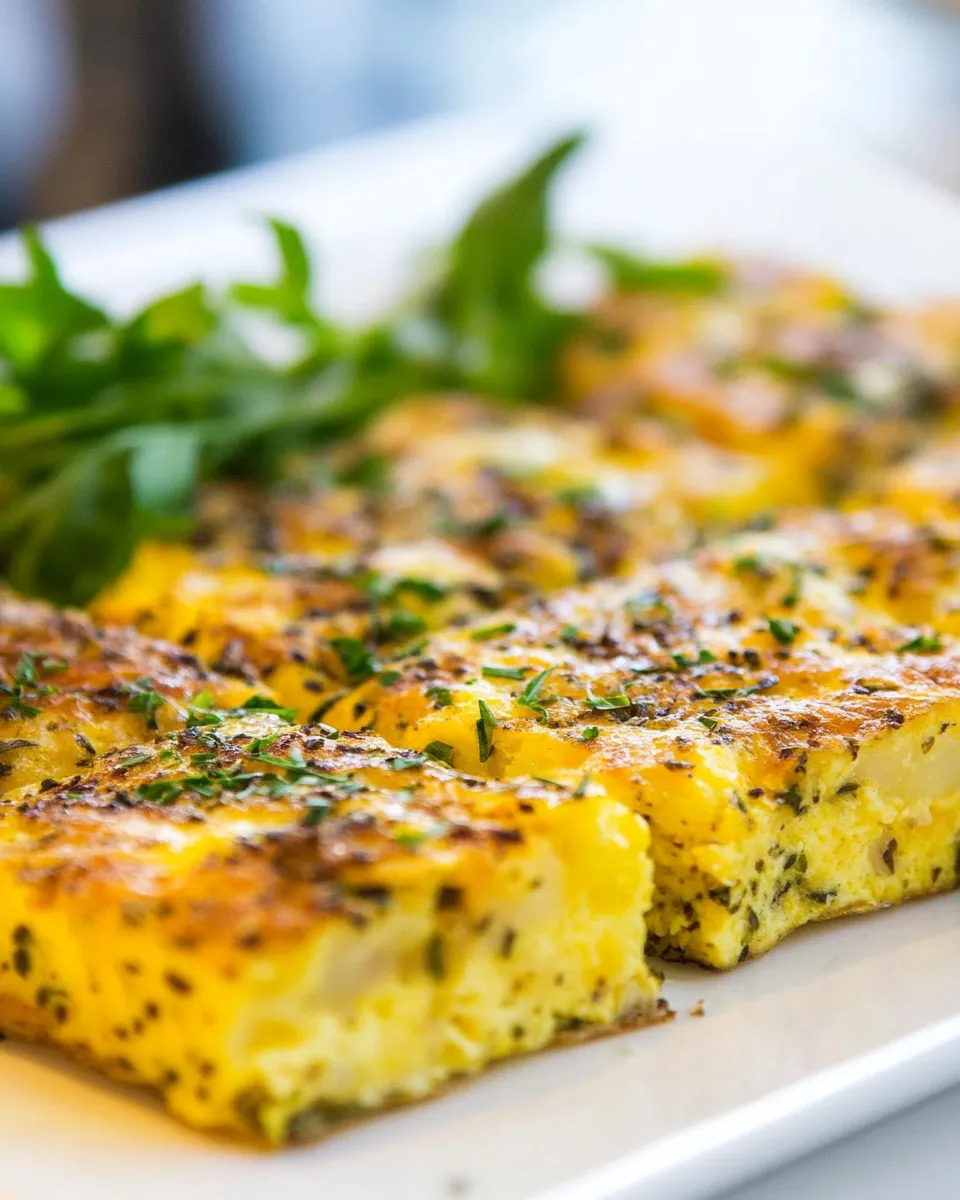
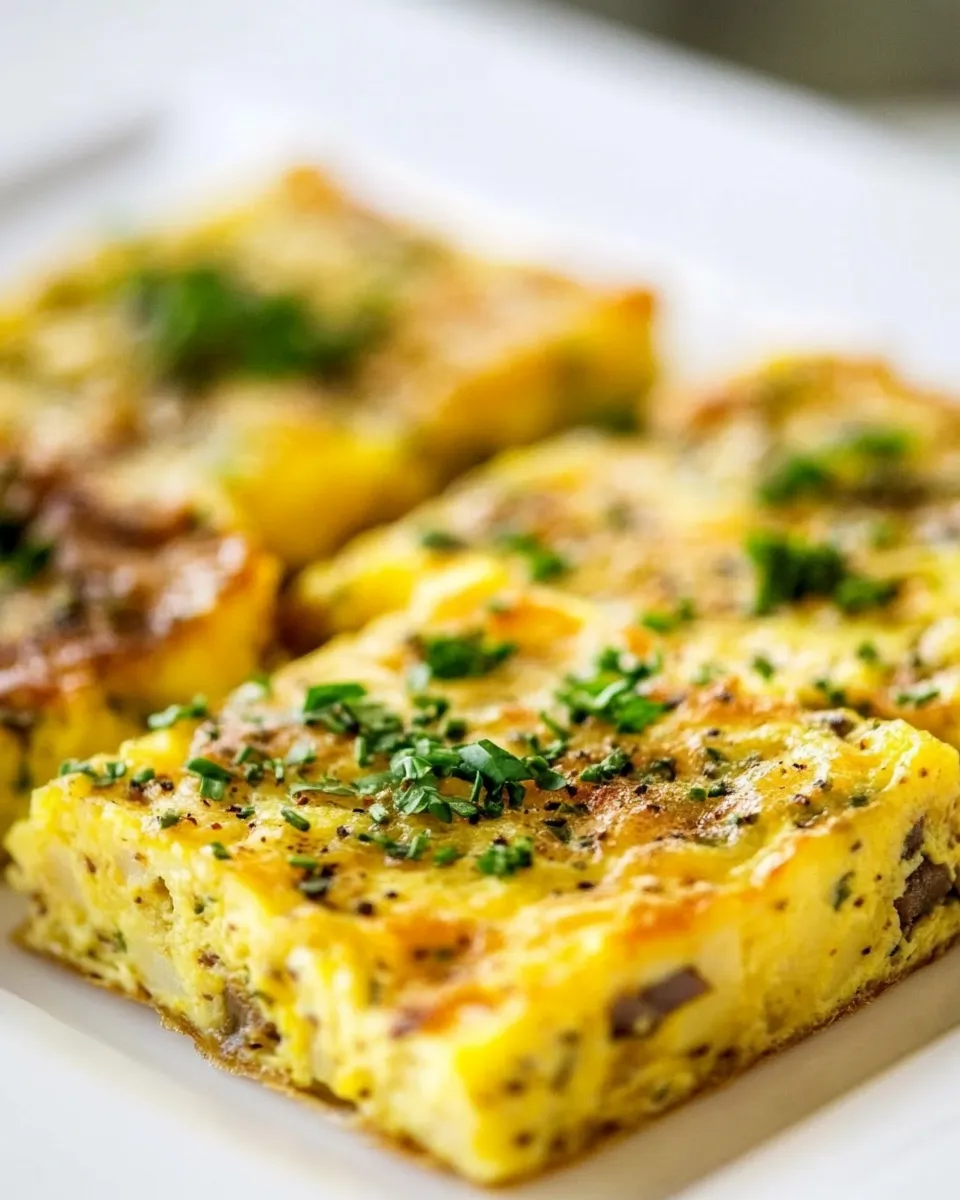
I love recipes that feel like a little life-hack: feed a crowd, pack well for lunches, and still look homey on the table. These sheet pan potato frittata squares do exactly that. They bake up into a golden, sliceable frittata studded with tender potato, sharp cheddar, fresh basil, and bright chives — perfect for brunch, a picnic, or a make-ahead breakfast.
The texture is somewhere between a crustless quiche and a firm casserole: creamy from ricotta and cheddar yet structured enough to cut clean squares. Because most of the work happens on the stove and in the food processor, the hands-on time is short and the result is reliably comforting.
This post walks you through what to buy, how I tested the recipe, common pitfalls and fixes, swaps for dietary needs, and a clear, step-by-step instruction section so you end up with consistent, delicious squares every time.
What to Buy
6 tablespoon butter — Split the butter: 2 tbsp for frying potatoes, 4 tbsp melted and folded into the egg-cheese mix for richness.
2 large potatoes — I use Nicola; Yukon Gold works well too. Peel and dice small so they cook quickly.
2 ½ cups mature cheddar cheese — Sharp cheddar gives flavor and structure; process into crumbs for even distribution.
6 large eggs — The binding element; bring to room temperature for a smoother texture if you can.
1 ¼ cups ricotta cheese — Adds creaminess and keeps the frittata tender.
6 tablespoon chopped chives — Fresh chives add an oniony brightness without heat.
small handful fresh basil leaves — Tear or roughly chop for herbal lift.
1 teaspoon salt — Seasoning; adjust to taste but use the full amount for balance.
½ teaspoon black pepper — Freshly ground if possible.
3 tablespoon plain flour — Helps the mixture set into neat squares.
½ teaspoon baking powder — Gives a slight lift so the squares aren’t too dense.
Sheet Pan Potato Frittata Squares with Basil and Chive Cooking Guide
Step-by-step Instructions
Preheat the oven: Set to 350°F (170°C). Line a baking tray with parchment paper or grease it well so the frittata releases easily.
Prepare the potatoes: Peel the 2 large potatoes and cut them into small dice — aim for roughly 1/2-inch pieces so they cook through in the pan.
Fry the potatoes: Melt 2 tablespoons of the butter in a frying pan over low heat. Add the diced potatoes and cook, stirring occasionally, for about 15 minutes until they are just cooked through and starting to take on a little color. Keep the heat low so they soften without browning too aggressively.
Melt remaining butter: While the potatoes cook, melt the remaining 4 tablespoons of butter in a small pan or in the microwave. Set aside to cool slightly.
Process the cheese and eggs: Cut the 2 ½ cups mature cheddar into smallish chunks. Place them in a food processor and pulse until you have a cheesy ‘crumb’ texture.
Add wet ingredients to the processor: To the cheddar crumbs add 6 large eggs, the melted 4 tablespoons of butter, 1 ¼ cups ricotta, the chopped basil (small handful), 6 tablespoons chopped chives, 1 teaspoon salt, and ½ teaspoon black pepper. Pulse until the mixture is well combined and reasonably smooth — scrapping down the sides if needed.
Add dry ingredients: Sprinkle the 3 tablespoons plain flour and ½ teaspoon baking powder over the egg-cheese mixture and pulse a few more times until incorporated. This will thicken the filling and help it set into squares.
Assemble in the tray: Tip the cooked potatoes into the prepared baking tray and spread them into an even layer.
Pour over egg mixture: Pour the processed egg-cheese mixture evenly over the potatoes, using a spatula to smooth the top so it’s level.
Bake: Place the tray in the preheated oven and bake for 20–25 minutes, until the frittata is browned on top and cooked through (a gentle jiggle in the center should be minimal).
Cut and serve: Allow the frittata to rest for a few minutes, then cut into 20 small squares. Serve warm or at room temperature with fresh basil leaves as garnish.
Why This Recipe Is Reliable
The method separates potato cooking from the egg-cheese mix, which ensures the potatoes are tender without overcooking the eggs. Processing the cheddar into crumbs lets it distribute evenly, preventing dense pockets of cheese. The modest amount of flour and baking powder gives structure without changing the soft, creamy mouthfeel from the ricotta and eggs.
Healthier Substitutions
Butter — Swap half the butter for olive oil to reduce saturated fat; keep at least some butter for flavor.
Cheddar — Use a reduced-fat mature cheddar or a mix of part-cheddar and part-gruyère for similar flavor with less fat.
Ricotta — Choose part-skim ricotta to cut calories while retaining creaminess.
Flour — Use a whole-wheat pastry flour in place of plain flour for added fiber, but expect a slightly nuttier flavor and darker color.
Equipment at a Glance
Baking tray (sheet pan) — Large enough to hold the mixture in a single even layer.
Frying pan — For gently frying the potato dice.
Food processor — For breaking down the cheddar and combining the egg-cheese mixture quickly and evenly.
Mixing spatula — To transfer and smooth the mix.
Parchment paper — Optional but recommended for easy release.
Common Errors (and Fixes)
Potatoes undercooked: Dice them small and keep the heat low while frying for the full 15 minutes. If they’re still firm, cook a few minutes longer before assembling.
Wet, uncooked center: Make sure the oven is fully preheated. If necessary, bake an additional 3–5 minutes until set. Also ensure the flour and baking powder are mixed in the processor so they can do their job.
Overbrowned top, raw inside: If the top is browning too quickly, tent loosely with foil for the last 8–10 minutes of baking so the center can finish.
Squares fall apart: Allow the baked frittata to rest for several minutes before cutting; the cooling time helps firm the structure.
Allergy-Friendly Swaps
Dairy-free: Replace butter with a neutral oil, swap cheddar and ricotta for dairy-free cheese alternatives designed for melting and spreadability. Texture will differ.
Gluten-free: Substitute the 3 tablespoons plain flour with a gluten-free plain flour blend. Check the baking powder is gluten-free.
Egg-free: This recipe relies on eggs for structure; there’s no straightforward direct swap that keeps the same texture. Consider a savory chickpea-flour “frittata” recipe as an alternative.
What I Learned Testing
Small dice on the potatoes matter. Larger chunks leave pockets of undercooked potato or require longer baking that dries the top. Processing the cheddar first is a game-changer — it melts into the egg mix evenly and gives a uniform cheesy flavor. Lastly, resting time after baking made the difference between crumbly squares and neatly cut portions.
Keep It Fresh: Storage Guide
Refrigerate: Store cooled squares in an airtight container for up to 4 days.
Freeze: Freeze individual squares on a tray until solid, then transfer to a freezer bag for up to 2 months. Reheat from frozen in a 350°F (175°C) oven until hot, about 15–20 minutes.
Reheat: Microwave for a quick warm-up (about 45–60 seconds per square) or reheat in a 350°F oven for 8–12 minutes to preserve texture.
Reader Q&A
Q: Can I add other veggies like bell pepper or spinach?
A: You can, but keep them well-drained and finely chopped. Sauté any extra vegetables first to remove excess moisture so the frittata doesn’t become soggy.
Q: Can I use pre-shredded cheddar?
A: You can, but the recipe calls for processing chunks so you get a fine crumb. If using pre-shredded, pulse them briefly in the food processor to break them down further, or measure and fold directly, knowing the texture will be slightly different.
Q: Can I make this in a smaller pan?
A: Yes — baking time will be slightly longer because the mixture will be deeper. Check for doneness by ensuring the center is set and the top is golden.
Time to Try It
This recipe is straightforward, forgiving, and meal-prep friendly. Gather the ingredients, preheat the oven, and follow the step-by-step instructions for consistent results. Whether you serve these squares for a weekend brunch or slice them for weekday breakfasts, they’ll keep well and taste even better the next day.
Sheet Pan Potato Frittata Squares with Basil and Chive
A sheet-pan frittata with potatoes, cheddar, ricotta, basil and chives baked and cut into convenient squares.
Prep Time5 minutes mins
Cook Time35 minutes mins
Total Time40 minutes mins
Servings: 20 squares
- 6 tablespoons butter
- 2 large potatoes (Nicola or Yukon Gold recommended) peeled and cut into small dice
- 2 1/2 cups mature cheddar cheese cut into chunks for processing
- 6 large eggs
- 1 1/4 cups ricotta cheese
- 6 tablespoons chopped chives
- small handful fresh basil leaves chopped
- 1 teaspoon salt
- 1/2 teaspoon black pepper
- 3 tablespoons plain (all-purpose) flour
- 1/2 teaspoon baking powder
Preheat the oven to 350°F (170°C) and line a baking tray with parchment paper or grease it well.
Peel the potatoes and cut them into small dice.
Melt about one-third of the butter (2 tbsp) in a frying pan over low heat, add the diced potatoes, and cook, stirring occasionally, for about 15 minutes until just tender.
Melt the remaining 4 tablespoons of butter in a small pan or in the microwave and set aside.
Place the cheddar chunks in a food processor and pulse until crumbly.
Add the eggs, melted butter (4 tbsp), ricotta, chopped basil, chopped chives, salt, and pepper to the processor and pulse until the mixture is well combined.
Sift or sprinkle in the flour and baking powder, then pulse briefly until incorporated.
Spread the cooked potatoes in an even layer on the prepared baking tray.
Pour the egg-and-cheese mixture over the potatoes, spreading evenly, and bake for 20–25 minutes until browned on top and set through.
Allow the frittata to cool slightly, then cut into 20 squares and serve garnished with extra fresh basil if desired.
- Serve with a dollop of sour cream and smoked salmon if desired.
- Allow to cool to room temperature before adding the sour cream and salmon.
- Use leftover chives as a garnish.
Please share this post with your friends 🤗