15-Minute Homemade Donuts
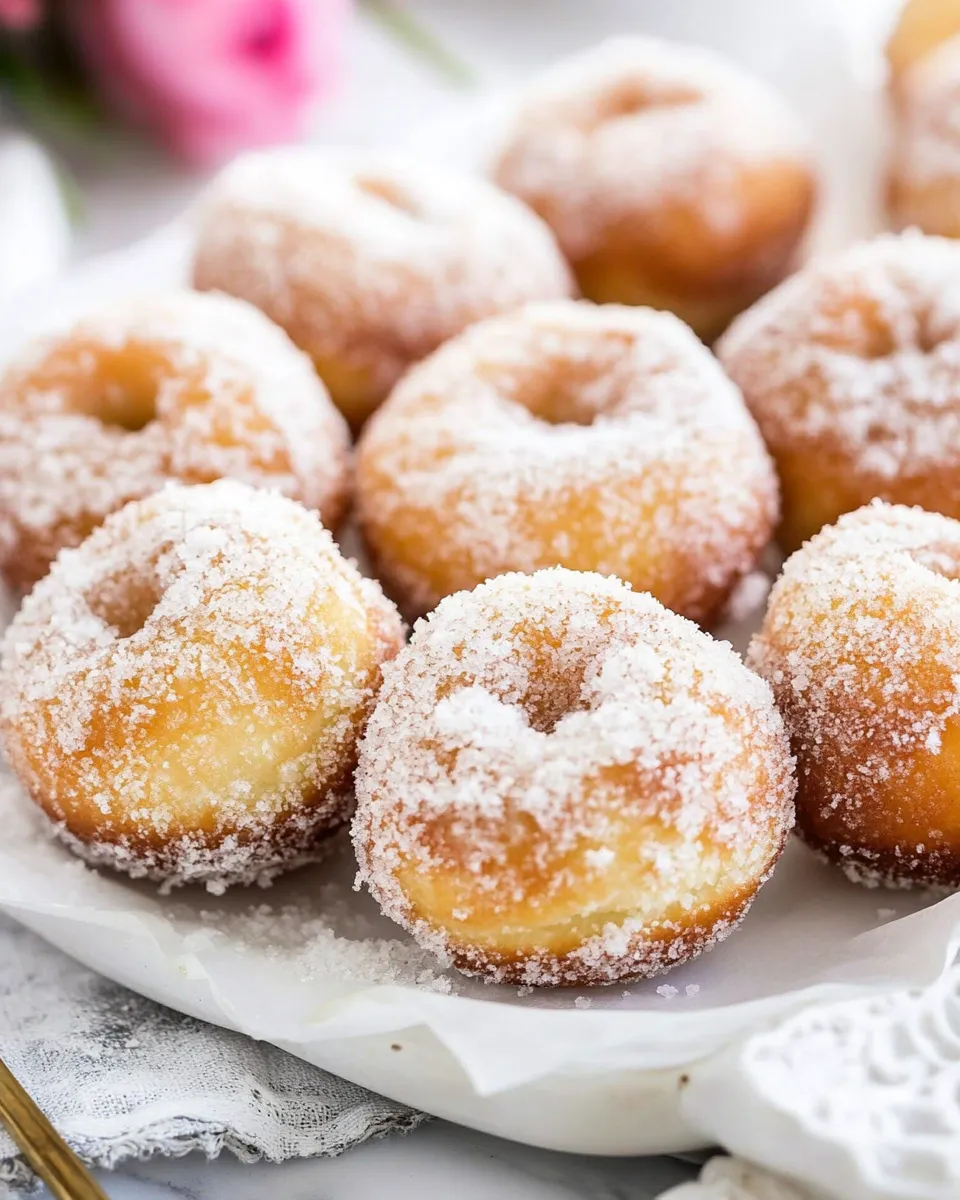
I love a recipe that feels indulgent but honestly doable on a weeknight. These 15-minute homemade donuts are exactly that: a small handful of pantry ingredients, a quick dough you barely touch, and hot oil to finish them off. They come out tender, slightly imperfect, and rolled in plain granulated sugar — the kind of simple, old-school treat that feels like a hug.
You don’t need a fryer, pastry bag, or special cutters. A large sauté pan or pot, a thermometer, and a spoon are all that stand between you and warm, sugar-coated donuts. Read through the steps, prep your mise en place, and you’ll have fresh donuts ready before Netflix queues another episode.
What Goes In
Ingredients
- 1 1/4 cups (176g) all-purpose flour — the structure for the dough; scoop and level for accuracy.
- 2 tsp baking powder — provides the lift so the donuts stay light.
- 1/4 tsp salt — balances the sweetness and enhances flavor.
- 1/2 cup (120 ml) buttermilk — adds tang and tenderizes the crumb; room temperature is easiest to work with.
- 1/4 cup (50g) granulated sugar — sweetens the dough itself.
- 3 Tbsp (42g) melted butter — adds richness and a soft texture.
- 3–4 cups vegetable oil — for frying; use a neutral oil with a high smoke point.
- 1/3 cup (66g) granulated sugar — for rolling the finished donuts so they get a classic crunchy sugar coating.
Cooking 15-Minute Homemade Donuts: The Process
Step-by-step frying method
- Prepare equipment and oil: Pour 3 to 4 cups of vegetable oil into a large sauté pan or medium pot. Clip a candy or deep-fry thermometer to the side and heat over medium until it reaches 355°F, watching it as it warms so it doesn’t overheat.
- Mix dry ingredients: In a medium mixing bowl, whisk together the all-purpose flour, 1/4 cup granulated sugar, baking powder, and salt until evenly combined.
- Combine wet ingredients: In a separate small bowl, whisk the buttermilk with the melted butter until smooth.
- Form the dough: Pour the buttermilk mixture into the flour mixture. Using a fork, gently stir until the dry ingredients are just moistened and the dough comes together. Stop as soon as there are no large patches of dry flour — do not overwork the dough.
- Shape the dough balls: Using a spoon or your hands, roll the dough into small balls about 1/2 tablespoon each in size (they should be roughly marble-sized). Aim for uniform sizes so they cook evenly.
- Begin frying: When the oil registers 355°F, carefully lower about half of the dough balls into the hot oil without overcrowding the pan. Leave space so they can float and expand.
- Cook until golden: Fry the dough balls until the bottoms are just golden brown, then flip each one with a spider strainer or metal tongs and cook the reverse side until that side is golden as well. This usually takes a minute or two per side depending on your pan and oil temperature.
- Drain and sugar-coat: Remove the donuts to a paper towel–lined baking sheet to drain briefly. Pour the 1/3 cup granulated sugar into a shallow dish and roll each warm donut in the sugar until evenly coated.
- Repeat and serve: Fry the remaining dough balls the same way, drain, and roll in sugar. Serve warm for best texture and flavor.
The Upside of 15-Minute Homemade Donuts
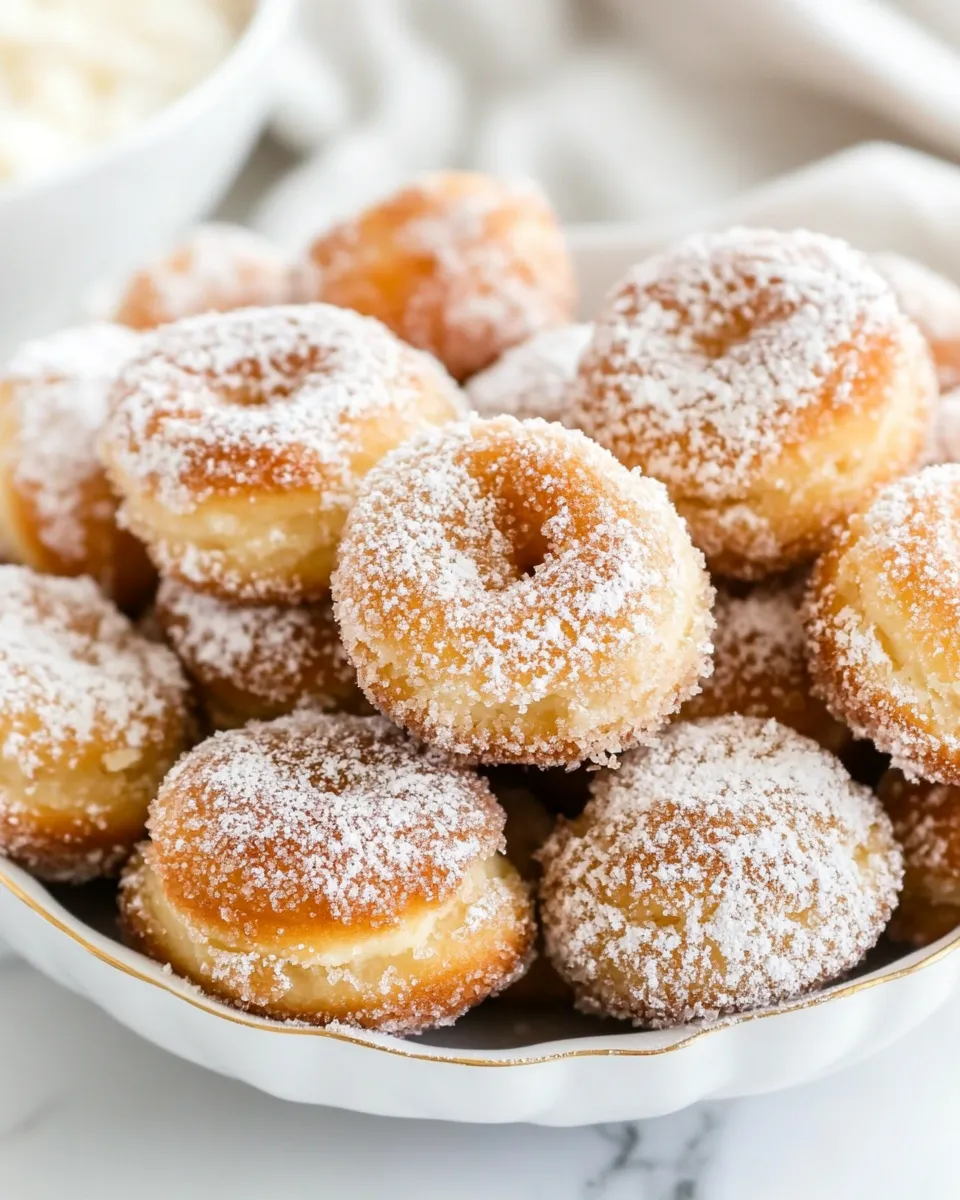
– Fast: From mixing to plate in about 15 minutes, perfect for a quick dessert or weekend breakfast project.
– Minimal equipment: No donut cutter or special tools required — a pot, thermometer, and basic utensils do the job.
– Comforting and familiar: Sugar-coated, slightly rustic donuts that appeal to everyone — kids and adults alike.
– Customizable: The basic dough is a clean slate for add-ins or toppings if you want to experiment later.
Healthier Substitutions
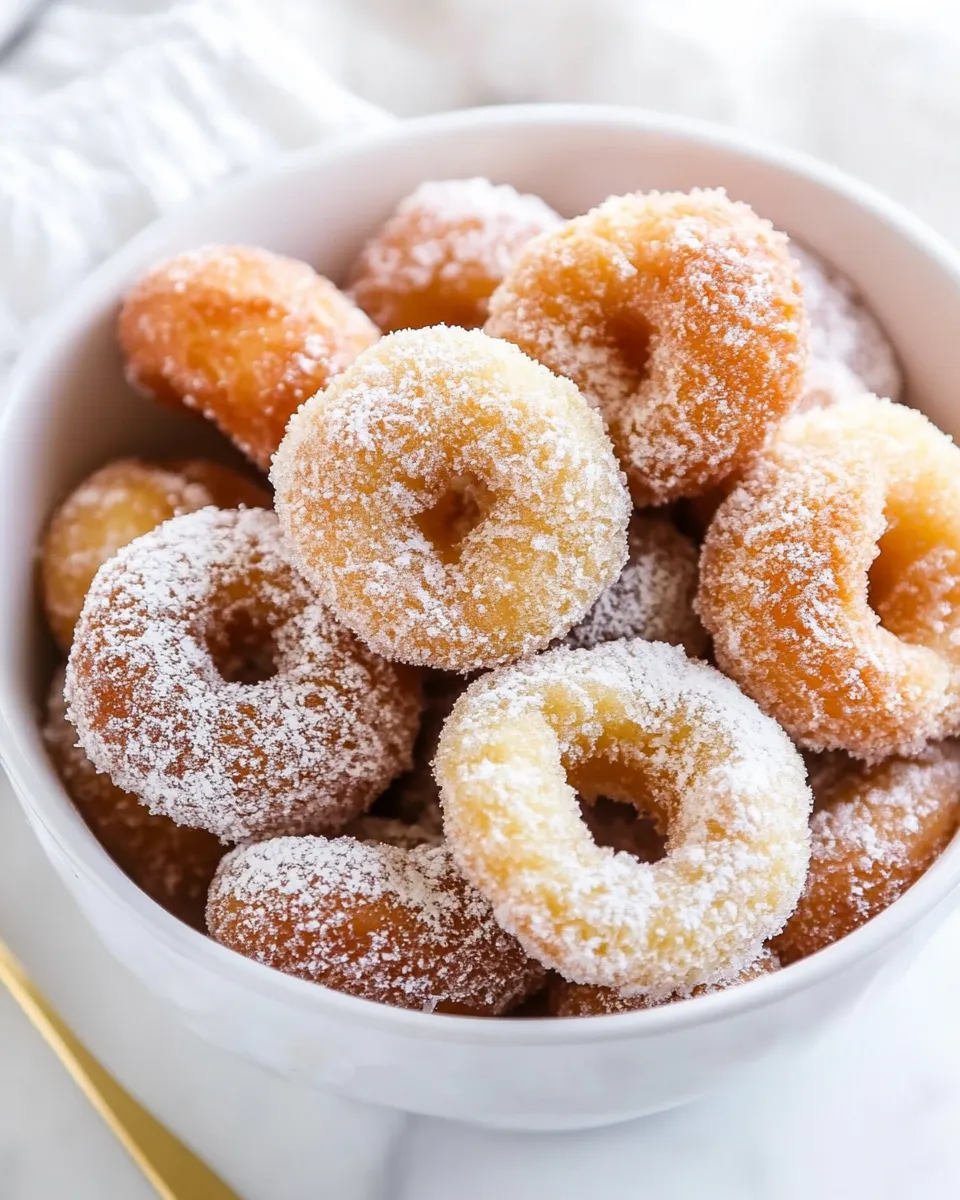
– Swap whole-milk buttermilk for low-fat buttermilk to shave a few calories without changing texture much.
– Use an oil with a higher monounsaturated fat content (like light olive oil designed for frying) for a slightly better fat profile; keep the frying temperature steady.
– To cut sugar on the coating, roll donuts in a mixture of half sugar and half finely ground toasted oats or unsweetened coconut flakes (note: texture changes).
– For a lower-fat option, cook in an air fryer at 350°F for a few minutes per side — the result won’t be identical, but you’ll get a lighter version.
Cook’s Kit
– Large sauté pan or medium pot (at least 3–4 qt capacity)
– Candy/deep-fry thermometer (essential for reliable oil temp)
– Spider strainer or metal tongs
– Paper towels and a baking sheet for draining
– Two medium mixing bowls and a whisk
– Measuring cups and spoons, or a scale for accuracy
What Not to Do
– Don’t overcrowd the pan. Too many donuts at once will drop the oil temperature and make them greasy.
– Don’t overwork the dough. Excess handling develops gluten and yields tough donuts.
– Don’t fry above 355–360°F. If the oil gets too hot, the outside will brown before the inside cooks.
– Don’t skip the thermometer. Judging oil temperature by eye is unreliable and leads to inconsistent results.
– Don’t roll the sugar coating on cold donuts — the sugar won’t stick and the texture will be off.
Seasonal Serving Ideas
– Fall: Roll the warm donuts in a cinnamon-sugar mix and serve with a warm spiced apple compote.
– Winter: Dip one half of each donut in a quick chocolate glaze (melted chocolate + a dab of butter) and sprinkle with crushed peppermint.
– Spring: Toss finished donuts in lemon sugar (zest + granulated sugar) and serve with a cup of tea.
– Summer: Top with a thin glaze flavored with fresh strawberry puree and serve with cold milk.
Flavor Logic
– This recipe uses baking powder rather than yeast to keep things fast. Baking powder creates immediate lift, so there’s no rising time.
– Buttermilk adds acidity and tenderizes the dough while giving a slight tang that balances the sugar coating.
– Melted butter contributes richness and keeps the interior tender; the small amount keeps the dough from being greasy.
– Rolling in granulated sugar while the donuts are warm gives a crunchy exterior texture that contrasts with a soft interior.
Best Ways to Store
– Short term: Keep donuts in a single layer at room temperature in an airtight container for up to 24 hours. They’re best the day they’re made.
– To refresh: If they go slightly stale, warm them in a 325°F oven for 5–7 minutes to revive crispness, then re-roll in sugar if needed.
– Freezing: Freeze plain donuts on a tray until solid, then transfer to a freezer bag for up to 1 month. Thaw at room temperature and briefly warm in a low oven before serving.
Ask the Chef
Q: Can I make these dairy-free?
A: Yes. Substitute the buttermilk with 1/2 cup unsweetened plant milk plus 1/2 tsp vinegar (let sit 5 minutes). Use melted vegan butter.
Q: Can I add flavors like cinnamon or vanilla?
A: You can fold 1/2 tsp cinnamon or 1 tsp vanilla into the wet ingredients. Keep amounts small so the dough texture stays balanced.
Q: Why are my donuts greasy?
A: Common causes: oil too cool (drops in temp when dough added), overcrowding the pan, or dough pieces that are too large. Maintain 355°F and fry in small batches.
Hungry for More?
If you liked these sugar-coated quick donuts, try variations like cinnamon-sugar, lemon zest sugar, or a warm jam filling (use a piping bag after frying). For a next-level weekend project, explore yeast-raised donuts when you have more time — they’re pillowy but require proofing. Bookmark this method: it’s the fastest route to fresh, homemade comfort when the donut craving hits.

15-Minute Homemade Donuts
Ingredients
- 1 1/4 cups all-purpose flour (176 g), scoop and level to measure
- 2 tsp baking powder
- 1/4 tsp salt
- 1/2 cup buttermilk (120 ml) — see note about adding a tablespoon if needed
- 1/4 cup granulated sugar (50 g) for the dough
- 3 Tbsp butter (42 g), melted
- 3-4 cups vegetable oil for frying
- 1/3 cup granulated sugar for coating (can substitute cinnamon sugar, powdered sugar, or glaze)
Instructions
- Pour 3 to 4 cups vegetable oil into a large sauté pan or pot to a depth of about 1/2 inch. Heat over medium until the oil reaches 355°F (use a thermometer and monitor as it heats).
- In a medium bowl, whisk together the all-purpose flour, 1/4 cup granulated sugar, baking powder, and salt until combined.
- In a separate bowl, whisk the buttermilk and melted butter together. If the dough seems too dry, add up to 1 tablespoon additional buttermilk.
- Pour the buttermilk mixture into the dry ingredients and stir with a fork just until the dough comes together; do not overmix.
- Use a 1/2 tablespoon measure or your hands to roll the dough into small balls (about 35 total).
- When the oil reaches 355°F, carefully add about half of the dough balls to the pan without overcrowding. Fry until the bottoms are golden, then flip and fry the other side until golden brown.
- Use a spider strainer or tongs to remove the donut holes and drain them on a paper towel–lined baking sheet.
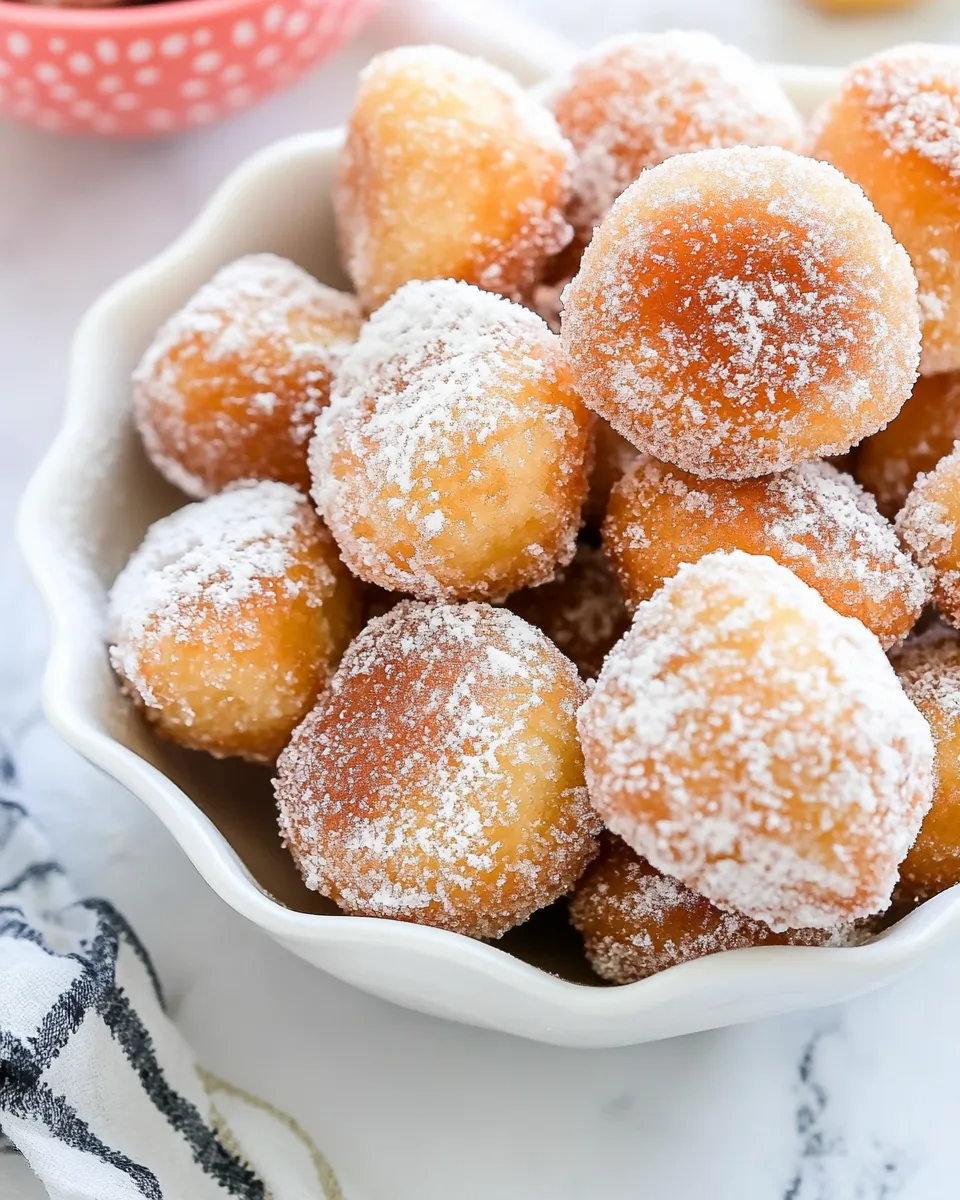
- Place 1/3 cup granulated sugar in a shallow dish and roll the warm donut holes in the sugar to coat. Repeat with remaining dough balls.
Equipment
- large sauté pan or pot
- deep-fry thermometer
- Mixing Bowl
- whisk or fork
- spoon or small ice cream scoop
- spider strainer or tongs
- Paper Towels
- shallow dish for coating
Notes
- I sometimes use 1/2 cup plus 1 tablespoon buttermilk in drier climates.
- Cinnamon sugar, powdered sugar, or a vanilla glaze are great coating options.
- Use a thermometer to monitor oil temperature for proper frying.
- Do not fry all donut holes at once or the oil temperature will drop and they will absorb grease.
- These are best eaten within a few hours.